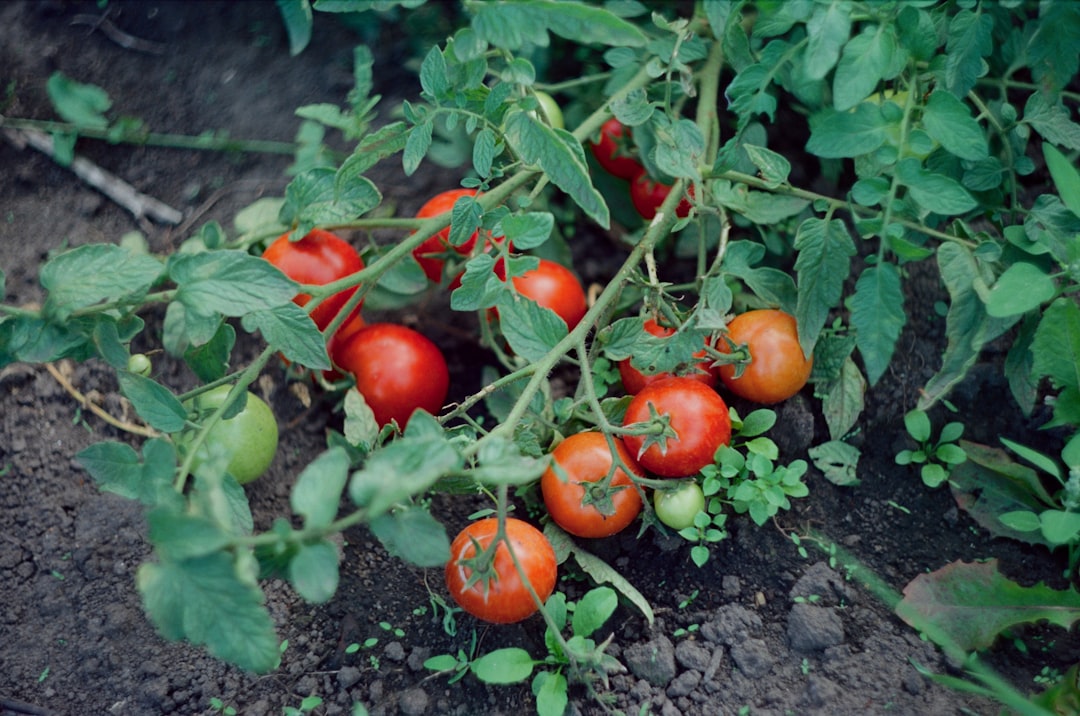
How to Grow Tomatoes From Fresh Tomatoes - UK
You can grow new tomato plants from the seeds inside a fresh tomato, and it is one of the easiest ways to start tomatoes at home in the UK. Scoop the seeds, clean off the gel, sow them in peat-free compost, keep them warm and damp, and you will have seedlings in about a week to ten days.
Saving seeds from a ripe tomato you already have in the kitchen saves money and lets you grow from a variety you know you like the taste of. The key step most people skip is removing the slimy coating around each seed. That gel contains germination inhibitors, so seeds sown straight from the fruit without cleaning often rot or sprout unevenly. With a quick rinse and the right sowing method, fresh tomato seeds germinate reliably on a UK windowsill.
Which fresh tomatoes work best
Choose a fully ripe, healthy tomato with good flavour. Heirloom and open-pollinated varieties such as Gardener's Delight, Moneymaker or Brandywine tend to grow true to type, which means the seedlings will produce fruit similar to the parent. Many supermarket tomatoes are F1 hybrids. They will still germinate and grow, but the fruit may differ from what you bought because F1 seeds do not always breed true. If you want predictable results, save from an open-pollinated plant you grew yourself or from a friend's garden.
Avoid tomatoes that are underripe, mouldy or from the fridge. Cold-stored seeds can have lower vigour, and fruit that never fully ripened may contain immature seeds that struggle to germinate.
What you will need
- A ripe fresh tomato
- A small bowl, sieve and kitchen paper
- Peat-free seed compost such as Green Haven 20L Multi Purpose Compost Peat Free or Elixir Gardens Compost Bag
- Seed trays or small pots with drainage holes - the YAUNGEL Seed Trays 6 Pack 72 Cells Propagator keeps moisture and warmth steady
- A propagator lid or clear bag and a warm spot at 18 to 22 degrees
- Labels and a fine rose watering can
How to extract seeds from a fresh tomato
Cut the tomato in half across the middle and gently squeeze the seeds and pulp into a small bowl. You do not need the flesh, just the seeds with their gel. For one tomato you will get far more seeds than you need, so save only the plump, pale ones and compost the rest.
Option 1 - quick rinse method (fastest for UK sowing)
- Tip the seeds into a fine sieve and rinse under cool running water, rubbing gently to remove as much gel as you can.
- Soak the cleaned seeds in a cup of water for a few hours or overnight. Viable seeds usually sink, while empty ones float.
- Drain, spread on kitchen paper and sow straight away while still damp. Do not let them dry into a clump.
Option 2 - short ferment (better if you want to store seeds)
- Leave the seeds and pulp in a little water in a jar for 24 to 48 hours at room temperature, stirring once a day. A light foam may form - that is normal.
- Rinse thoroughly in a sieve until the water runs clear and no gel remains.
- Spread on kitchen paper or a coffee filter and dry fully for 3 to 5 days in an airy spot before storing in a labelled envelope.
Both methods work. If you are sowing right away and you are not saving for next year, the quick rinse plus overnight soak is enough. Fermenting helps remove the coating more completely and reduces seed-borne disease when you store seeds over winter.
How to sow fresh tomato seeds indoors
Tomatoes need warmth to germinate, so start indoors from late February to early April in most of the UK. A sunny windowsill, heated propagator or warm airing cupboard shelf all suit them.
- Fill trays or small pots with moist peat-free compost and firm lightly. Water first so the compost is damp but not soggy.
- Sow seeds 5mm deep, one per cell or spaced 2cm apart in trays. Cover lightly with compost or vermiculite.
- Cover with a propagator lid or clear bag to hold humidity, then place somewhere at 18 to 22 degrees. A south facing windowsill above a radiator is ideal.
- Keep the compost lightly moist. Do not let it dry out and do not waterlog it.
- Expect seedlings in 7 to 14 days. Once they appear, remove the cover and give them plenty of light to stop them going leggy.
If you sowed directly from a tomato slice, you would see many seedlings crowded together and extra fungal risk from the rotting fruit. Extracted, cleaned seeds avoid that and give you spaced, even germination.
Transplanting and growing on
When seedlings have their first true leaves (the second pair after the initial seed leaves), prick them out into individual 9cm pots using the same peat-free compost. Hold by a leaf, not the stem, and plant so the stem is buried slightly deeper than before - tomatoes form extra roots along the stem.
Grow on in bright light and pot up again into larger pots as roots fill the compost. Plant out after the last frost for your area, usually mid to late May in southern England and early June further north and in Scotland. Harden off for a week by putting plants outside by day and bringing them in at night. In pots, a steady watering routine matters more than anything. The Tomato Grow Ring / Tomato Planter helps keep water where roots need it and supports early growth.
Aftercare that makes the difference in the UK
Water consistently. Tomatoes dislike going from very dry to very wet, which can cause split fruits and blossom end rot. Water little and often at the base, ideally in the morning. Feed weekly with a high-potash tomato feed once flowers appear, and pinch out side shoots on cordon (indeterminate) varieties so energy goes into fruit. Bush types can be left to sprawl with less pruning.
Give plants a sheltered, sunny spot with good airflow. Indoors or in a greenhouse, tap flowers gently at midday to help pollination. Outdoors, bees do the job if you let them.
Common mistakes to avoid
- Sowing without cleaning the gel - leads to patchy germination and damping off. Rinse well first.
- Sowing too deep or too shallow - 5mm is the sweet spot. Deeper and seedlings struggle, shallower and they dry out.
- Too little light after germination - leggy, pale seedlings will not recover well. Move to your brightest windowsill as soon as they emerge.
- Keeping cover on too long - high humidity after germination invites fungal disease. Remove the lid once about half the seeds have sprouted.
- Planting out too early - one late frost can check growth for weeks. Wait until nights stay above 7 degrees.
Frequently Asked Questions
Final Verdict
Growing tomatoes from a fresh tomato is a simple way to start plants without buying a seed packet, especially if you already have a variety you enjoy. Clean the seeds, sow shallow in peat-free compost, keep them warm at 18 to 22 degrees, and give seedlings strong light from day one. For the most reliable germination, use cleaned seeds in cells with a propagator lid such as the YAUNGEL Seed Trays 6 Pack 72 Cells Propagator, a light compost like Green Haven 20L Multi Purpose Compost Peat Free, and a steady watering and feeding routine with Jack's Magic Tomato Feed once flowers appear and Tomato Grow Rings if you grow in pots.
If you want more detail on container growing, read our guides on how to grow tomatoes in pots, growing beefsteaks in a 5 gallon bucket and pots versus ground for tomatoes.
We compared these methods using grower reports, manufacturer guidance and independent germination advice for UK conditions.

Alex writes about vegetable growing and plant care for MyLushGarden, covering everything from balcony tomatoes to full allotments.
As an Amazon Associate we earn from qualifying purchases.
Last reviewed: 21 August 2026 · Evidence-based content · Contains affiliate links