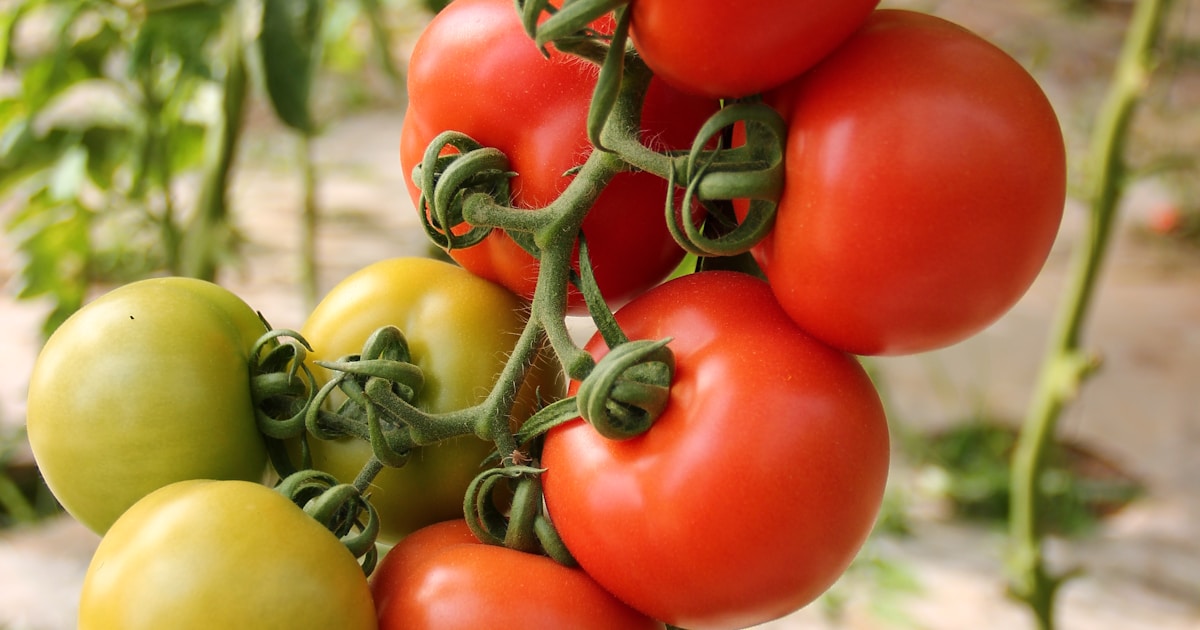
How to Grow Tomatoes in Pots UK — A Complete Guide
- Choose determinate (bush) or indeterminate (cordon) varieties — both work brilliantly in UK pots.
- Use at least a 10-litre (3-gallon) pot with drainage holes; bigger pots mean bigger harvests.
- Feed weekly with a tomato-specific liquid feed once the first flowers appear.
- Water consistently — uneven moisture causes blossom end rot and splitting.
- Start seeds indoors from March, or buy plug plants from garden centres in May.
Growing tomatoes in pots is one of the most rewarding UK garden projects — and it's easier than you think. Tomatoes grow brilliantly on balconies, patios, and allotment edges across the UK — and they remain the most rewarding crop for small spaces. There is nothing — and I mean nothing — that beats a sun-warmed cherry tomato straight off the vine.
Whether you're on a south-facing balcony in Bristol or a patio in Edinburgh, this guide walks you through everything: varieties, pots, compost, feeding, watering, and dealing with the inevitable UK summer weather.
Choose the Right Tomato Variety
The single most important decision is picking a variety suited to pot growing. There are two main types, and understanding the difference will save you a lot of frustration later in the season.
Determinate (bush) types grow to a set height, produce all their fruit within a few weeks, and don't need much pruning. They're brilliant for smaller pots (8–10 litres) and balcony setups. Look for varieties like Tumbling Tom, Patio Princess, or Balcony.
Indeterminate (cordon) types keep growing taller all season and produce fruit continuously until the first frost. They need a taller support stake and a bigger pot (at least 10–15 litres). Classic choices include Gardener's Delight (the best cherry tomato, in my opinion), Sungold, and Moneymaker.
For UK growers, I'd recommend starting with Gardener's Delight if you want cherry tomatoes, or Crimson Crush if you want larger slicing tomatoes with good blight resistance — which matters in our damp summers.
Pick the Right Pots and Compost
Tomato roots need space and good drainage — get this wrong and nothing else matters.
Pot size: Minimum 10 litres for bush varieties, 15–20 litres for cordon types. Bigger is always better. A fabric grow bag works surprisingly well and costs very little — they're lightweight, fold flat for storage, and provide excellent drainage.
Drainage: Essential. If your pot doesn't have holes in the bottom, drill some. Tomatoes hate sitting in waterlogged soil.
Material: Terracotta, plastic, or fabric — all work. Terracotta dries out faster so needs more frequent watering, which can actually be a bonus in wet UK summers.
For compost, use a quality multi-purpose compost mixed with about 20% perlite for extra drainage. Some people swear by tomato-specific compost, and it does work, but honestly a good multipurpose with a handful of perlite is just as effective and cheaper.
Avoid garden soil in pots — it compacts, drains poorly, and can harbour soil-borne diseases.
When and How to Plant
From seed: Sow indoors on a sunny windowsill from late March to mid-April. Place seeds on top of damp compost, cover lightly with 5mm of compost, and keep at 18–21°C. Germination takes 7–10 days. Once seedlings have two true leaves, pot them on into 9cm pots.
From plug plants: If you missed the seed window, most garden centres sell young tomato plants from May onwards. This is the easiest option for beginners — you can skip straight to the potting-up stage.
Harden off: Whether you've grown from seed or bought plug plants, gradually acclimatise them to outdoor conditions over 7–10 days before planting out. This means bringing them outside during the day and bringing them back in at night, especially if there's any risk of frost.
Planting out: Wait until late May or early June in most of the UK — overnight temperatures need to be consistently above 10°C. Fill your pot with compost, make a hole, and plant the tomato so the stem is buried up to the first set of true leaves. Tomatoes are unusual in that they root along the buried stem, giving you a stronger plant.
Support and Training
Bush varieties are fairly self-supporting, though a small tomato cage or support ring keeps them tidy and prevents stems snapping under the weight of fruit.
Cordon types need a sturdy cane — I use 1.8m bamboo canes and tie the main stem to it every 20cm or so with soft garden twine. You'll also need to pinch out the side shoots (axillary buds) that appear between the main stem and the leaf branches. Do this weekly — just snap them off with your fingers when they're small. This directs the plant's energy into fruit production rather than a jungle of leaves.
Feed and Water Consistently
This is where most container tomato growers go wrong. Pots hold limited nutrients and dry out much faster than ground soil.
Watering: Check daily, especially in summer. Stick your finger an inch into the compost — if it's dry, water thoroughly until it runs out of the drainage holes. Morning watering is ideal. In heatwaves, you may need to water twice a day. Inconsistent watering leads to blossom end rot (those horrible brown patches on the bottom of the fruit) and fruit splitting.
Feeding: Once the first flowers appear, switch from plain water to a tomato liquid feed — something high in potassium (K). Feed every 7–10 days, or every watering if you're using a dilute dose.
Westland, Chempak and Tomorite all get consistent praise from UK growers, and Tomorite is the most widely available.
Top dressing: Around July, when the plant is in full production, add a handful of slow-release fertiliser granules to the top of each pot. This provides a steady nutrient supply between liquid feeds.
Deal with UK Weather
Honestly, — British summers are unpredictable. Here's how I manage the common issues:
- Cool nights and lack of sun: Move pots against a south-facing wall for extra warmth. Dark-coloured pots absorb more heat, which helps.
- Heavy rain: Bring container tomatoes under cover during prolonged rain if possible, or at least ensure excellent drainage. Wet foliage invites fungal diseases.
- Blight: late summer blight is the biggest threat in the UK. Look for dark brown patches on leaves and stems. Remove affected parts immediately. Growing blight-resistant varieties like Crimson Crush or La Diva is your best insurance policy.
- Greenhouse advantage: If you have even a small greenhouse or cold frame, tomatoes will perform significantly better under cover. The extra warmth and protection from rain makes a huge difference.
Harvest and Enjoy
Tomatoes are ready to pick when they're fully coloured and slightly soft to the touch. In the UK, you can expect your first ripe fruit from mid-July through to October, depending on variety and conditions. Cordon types keep producing right up until the first frost, so don't pull them out too early.
Pro tip: if autumn cold is threatening and you still have green fruit on the vine, pick them all and ripen indoors on a sunny windowsill. They won't taste quite as good as vine-ripened fruit, but they'll still be far better than anything from a supermarket.
Frequently Asked Questions

Alex Green writes about vegetable growing, plant care and small-space gardening for MyLushGarden.
As an Amazon Associate we earn from qualifying purchases.
Last reviewed: June 2026 · Evidence-based content · Contains affiliate links