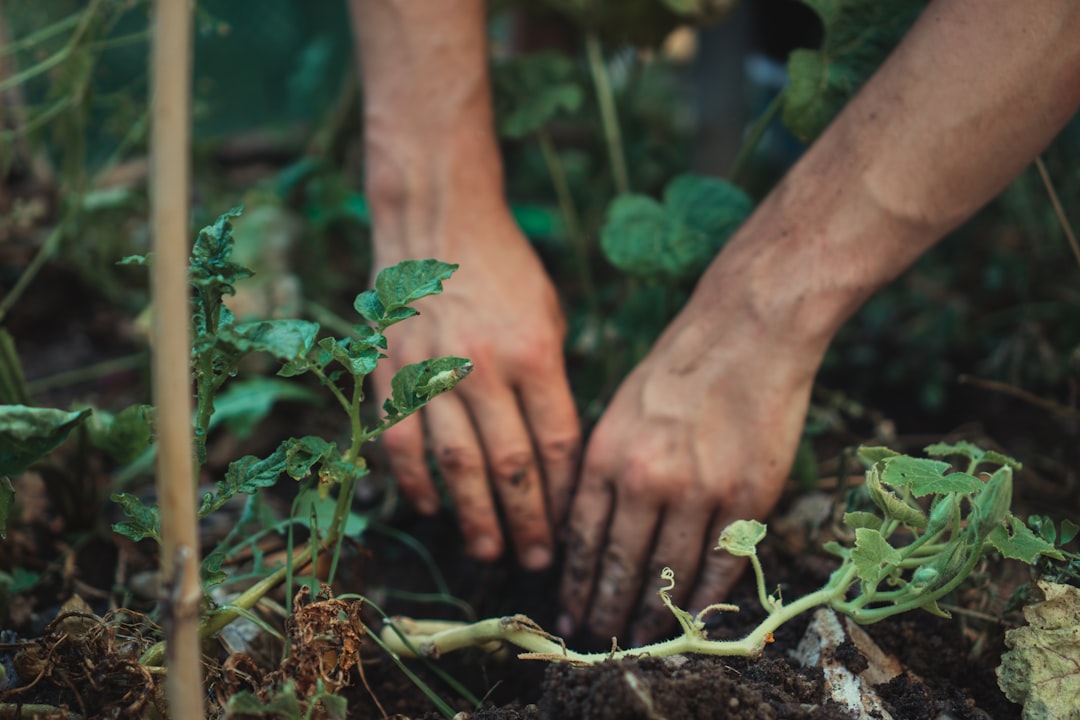
Grow Beefsteak Tomatoes in a 5 Gallon Bucket
You can grow beefsteak tomatoes in a 5 gallon bucket and get a proper crop, even on a small patio or balcony. A 19 litre bucket is the practical minimum for these large-fruited varieties, so success comes down to good drainage, rich compost, steady watering and strong support. Get those four right and a single bucket can produce several kilos of slicing tomatoes through summer.
Will Beefsteak Tomatoes Really Grow in a 5 Gallon Bucket?
Yes, but beefsteaks are the most demanding container tomatoes. They have larger root systems than cherry or plum types and produce heavy fruit that pulls on the plant. A 5 gallon bucket is tight for an indeterminate beefsteak, so you need to manage water and nutrients more carefully than you would in the ground or in a 30 litre pot.
If you have space for a slightly larger container, a 25 to 30 litre pot will make life easier and reduce the risk of drying out on hot days. If a 5 gallon bucket is what you have, it will work provided you do not try to squeeze two plants into one container. One beefsteak per bucket is the rule, no exceptions.
Compact or determinate beefsteak varieties bred for containers tend to do better in buckets. They stay shorter, set fruit earlier and cope better with restricted roots. Standard indeterminate beefsteaks will still crop, but expect fewer fruit per plant than the same variety grown in open ground.
Choose and Prepare the Right Bucket
Any food-grade plastic bucket of 19 litres will do, but it must have drainage. Tomatoes hate sitting in waterlogged compost and will quickly develop root problems if water cannot escape.
- Drill 6 to 8 holes of about 8 to 10 mm in the base, plus 2 to 3 holes 3 cm up the side for extra drainage.
- Raise the bucket on pot feet, bricks or a wooden batten so water drains freely and air can circulate underneath.
- Avoid black buckets in full sun if you can. They heat up fast and cook the roots on hot patios. Light-coloured or fabric-wrapped buckets stay cooler.
- Clean second-hand buckets thoroughly and never use one that held chemicals or paint.
If you want a tidier setup that also helps with watering, a Tomato Grow Ring paired with a standard bucket or large pot creates a reservoir around the stem that directs water to the roots and reduces splash. For balconies, a Lechuza Self-Watering Planter style system can buy you an extra day between waterings during heatwaves, though a plain bucket with saucer works fine if you water consistently.
Compost and Feeding: What to Fill It With
Do not use garden soil in buckets. It compacts, drains poorly and brings in disease. Use a good peat-free multipurpose compost and enrich it before planting.
Mix in a handful of slow-release fertiliser such as Elixir Gardens All Purpose Compost blended with a balanced granular feed, or add pelleted chicken manure at the rate on the pack. At planting time, bury the stem a little deeper than it was in its original pot. Tomatoes form extra roots along the buried stem, which helps anchor a top-heavy beefsteak in a small container.
Once the first truss has set fruit, switch to a high-potash tomato feed. Jack's Magic Tomato Feed is widely used for container tomatoes and suits weekly feeding from flowering onwards. Follow the dilution on the label and feed on damp compost, never when the bucket is bone dry.
A mulch of straw, composted bark or even a cut-to-fit circle of cardboard on the surface helps keep moisture in and reduces how often you need to water. It also stops compost splashing onto lower leaves, which helps keep blight at bay.
Planting Step by Step
- Harden off young plants for 7 to 10 days before they live outside full time. Beefsteaks are tender and a late cold snap will check growth.
- Fill the bucket to about 5 cm below the rim with your enriched compost. Water the compost and let it drain.
- Plant one beefsteak per bucket, a little deeper than before, and firm gently. Water well.
- Add support immediately. Push in a sturdy cane or fit a Tomato Cage Support Set before the roots spread. Trying to add a cage later damages roots and risks snapping stems.
- Place in full sun - at least 6 to 8 hours of direct sun for beefsteaks. A south or west facing patio, balcony or sunny corner works best.
Keep a 2 to 3 cm gap between the compost surface and the bucket rim. That lip is your watering reservoir and stops feed washing over the side.
Watering, Feeding and Support Through Summer
Buckets dry out far faster than beds, and beefsteaks are thirsty. In midsummer you will likely need to water every day, sometimes twice during prolonged heat. Check by pushing a finger 3 cm into the compost. If it feels dry, water thoroughly until it runs from the base.
Try to water at the base, not over the leaves, and water in the morning if you can. Consistent moisture reduces splitting and helps prevent blossom end rot, which shows as a dark leathery patch on the bottom of the fruit and is linked to irregular watering rather than simply low calcium.
Feed weekly with tomato fertiliser once flowers open. If growth looks pale or fruit is slow to swell, you are probably underfeeding for the container size. A liquid seaweed feed every two to three weeks alongside the tomato feed can help keep foliage healthy.
Tie the main stem to the support every 20 to 30 cm as it grows. For indeterminate beefsteaks, pinch out side shoots that appear in leaf axils when they are small, leaving the main stem to carry the trusses. Stop the plant by pinching the growing tip once it has 4 to 5 trusses in a bucket. That focuses energy on ripening the fruit you have rather than growing ever taller.
Common Problems in Bucket Beefsteaks
Wilting on hot afternoons: Usually underwatering. Water deeply and mulch the surface. Move buckets out of the hottest reflected heat if they sit against a south facing wall.
Yellowing lower leaves: Often natural ageing once fruit sets, but if widespread it can mean the plant is hungry or staying too wet. Check drainage and keep feeding.
Blossom end rot: Keep watering even. Avoid letting the bucket dry out completely then flooding it.
Blight: Remove affected leaves promptly, avoid wetting foliage, and space buckets so air moves between them. There is no cure once it takes hold, so early harvest of affected trusses is often the most practical response.
Small fruit: A 5 gallon bucket limits root volume. If fruit is consistently undersized, try a larger container next season or choose a container-bred beefsteak variety.
Harvesting and Aftercare
Beefsteaks take longer to ripen than cherries, so be patient. Fruit is ready when it has coloured fully and gives slightly when gently pressed. You can pick at the breaker stage when colour first shows and ripen indoors on a sunny windowsill, which also reduces the load on a bucket-grown plant late in the season.
At the end of the season, do not reuse the same compost for tomatoes next year without refreshing it. Tip it onto the garden or compost heap and start with fresh mix. Wash the bucket with soapy water before storing.
Products mentioned in this guide
- Tomato Grow Ring / Tomato Planter - creates a watering reservoir around the stem
- Lechuza Self-Watering Planter - helps even out watering on balconies and hot patios
- Jack's Magic Tomato Feed - weekly high-potash feed once flowers appear
- Tomato Cage Support Set - sturdy support for heavy beefsteak trusses
- Green Haven Multi Purpose Compost Peat Free - base compost for bucket growing
All links go to Amazon UK via our affiliate programme. Prices and availability may vary.
Frequently Asked Questions
Is a 5 gallon bucket big enough for beefsteak tomatoes?
A 5 gallon bucket is the minimum that works for one beefsteak plant. It will crop, but you must water and feed consistently and provide strong support. A 7 to 15 gallon container gives more room for roots and makes watering easier.
How often should I water beefsteak tomatoes in buckets?
Check daily from June onwards. In warm UK summer weather, most bucket beefsteaks need water every day, and twice a day during heatwaves. Water until it drains from the base and avoid letting the compost dry out completely between waterings.
Can I grow two beefsteak plants in one 5 gallon bucket?
No. One plant per 5 gallon bucket. Two plants compete for water and nutrients and both will crop poorly. If you want more plants, add more buckets rather than crowding one.
Do beefsteak tomatoes need a cage or stake in a bucket?
Yes. Beefsteak trusses are heavy and will snap stems without support. Fit a cage or drive in a cane at planting time and tie the main stem as it grows.
When should I start feeding bucket beefsteaks?
Start weekly tomato feed once the first flowers open and fruit begins to set. Feeding earlier is not needed if you already added slow-release fertiliser to the compost at planting.
Can I use garden soil instead of compost in a bucket?
Garden soil is not suitable for buckets. It compacts, drains poorly and can carry disease. Use peat-free multipurpose compost with added fertiliser for container tomatoes.
Final verdict
A 5 gallon bucket is a workable home for a beefsteak tomato if you respect its limits. Give it one plant per bucket, rich compost, daily water in summer, weekly tomato feed and a proper cage from day one, and you will get a worthwhile crop of large slicing tomatoes even without a garden bed. If you have room, step up to a larger pot next season for an easier ride and bigger harvests.

Emma writes about container gardening and small spaces for MyLushGarden, helping urban growers maximise every inch of growing space.
As an Amazon Associate we earn from qualifying purchases.
Last reviewed: August 21, 2026 · Evidence-based content · Contains affiliate links