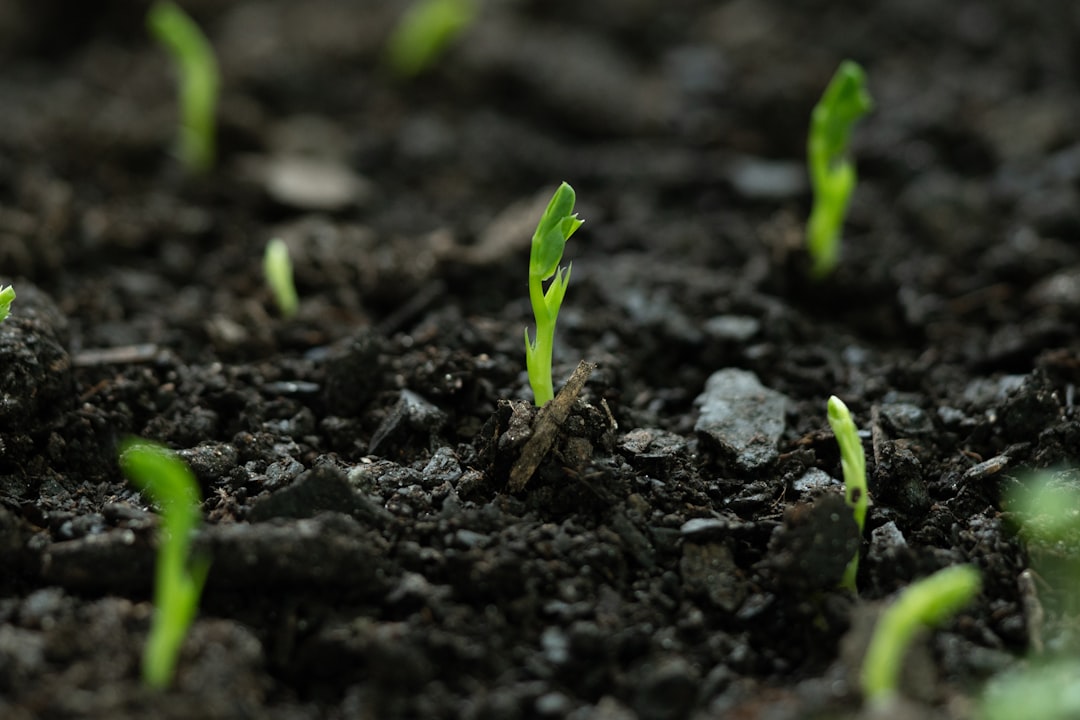
How to Grow Microgreens on a Windowsill
- Microgreens grow from seed to harvest in 7 to 14 days on any bright windowsill
- You need only a shallow tray, peat free compost or coir, and a sunny sill, a 72 cell seed tray is a neat size for a kitchen
- Sow thickly, keep damp not wet, uncover once seeds sprout and place in the brightest light you have
- Radish, pea shoots and basil are the easiest first types for UK kitchens
- Cut with scissors just above compost level and resow the tray for a continuous supply
Suggested Reading: Growing Herbs in Pots UK, How to Dry and Store Herbs UK and Best Herb Garden Kits UK
Microgreens are the fastest win for anyone who wants fresh greens without a garden. They are seedlings cut at 5 to 10cm, packed with flavour and ready in a week or two from sowing. A single windowsill and a shallow tray is enough, no greenhouse, no allotment queue and no waiting until summer. If you can keep a tray damp for a few days, you can grow them.
This guide covers the simple method that works in UK flats and houses: what to sow, how to sow thickly, and how to get a clean cut without fuss. We compared basic equipment using purchaser feedback and stated dimensions rather than lab testing.
What you need
A shallow tray with drainage holes, a bag of peat free multipurpose compost or coconut coir, seeds sold for microgreens, a spray bottle and scissors. That is it. A 72 cell seed tray or a reused supermarket mushroom punnet both work, though a proper propagator tray keeps the sill tidy. For steady warmth on a cool sill, a heated propagator helps in winter but is not needed from spring to early autumn. If you prefer a soil free setup, coir pellets such as Jiffy 7 pellets are clean and easy to handle.
Choosing seeds
Start with easy, fast types. Radish microgreens are peppery and ready in 7 days, pea shoots are sweet and give a second cut, sunflower makes crunchy pale shoots, and basil brings a familiar flavour for tomatoes and salads. Buy seeds labelled for microgreens or sprouting, they are untreated and have high germination rates. Avoid standard garden seed that may be dressed with fungicide. A mixed 15 variety herb seed pack or a dedicated indoor herb garden kit is good value while you learn what you like.
How to sow microgreens on a windowsill
Fill the tray with 2 to 3cm of lightly moist compost and level it. Do not firm it hard. Scatter seeds densely so they almost touch, this is much thicker than normal sowing. Lightly mist, then cover with another tray or a board to keep the seeds dark for two to three days. Check daily and mist if the surface looks dry. Once most seeds have sprouted and lifted the cover slightly, remove the cover and move the tray into the brightest light you have. A south or east facing sill is ideal, but any bright window will do in summer.
Watering and light
Keep the compost damp, not wet. Misting is better than pouring, which can dislodge seedlings and cause rot. If the tray has no drainage, tip out any standing water. In weak winter light, place the tray as close to the glass as possible and turn it daily so shoots do not lean. You do not need grow lights for the easy types, though a cool white LED desk lamp a few centimetres above the tray helps basil and coriander in December and January.
If you only have one sill, keep the kit compact. A YAUNGEL 72 cell tray fits a standard window, modular Nutleys 40 cell inserts let you stagger sowings a few days apart, and a Cole & Mason herb saver keeps cut shoots fresh in the fridge for days. For winter, the EarlyGrow heated propagator with extenders adds gentle bottom heat so radish and pea shoots still push quickly.
When and how to harvest
Most microgreens are ready when they are 5 to 10cm tall and have opened their first true leaves, usually 7 to 14 days from sowing. Cut with clean scissors just above compost level, rinse gently and use straight away. Radish and mustard can be cut early for a milder flavour, pea shoots are best once tendrils appear. For most types, compost the roots and resow rather than waiting for a poor second cut. Pea shoots and coriander are the exceptions that will give a useful second harvest if you leave 2cm of stem.
Keeping a continuous supply
Sow a fresh tray every 7 to 10 days and you will never be without greens. Label the tray with the variety and sowing date, and keep two trays on the go so one is sprouting while the other is growing. In late August, start a tray of fast radish now and you will be cutting before September, then move to pea shoots and basil as the light fades into autumn.
Frequently Asked Questions
Products Mentioned in This Guide
- YAUNGEL Seed Trays 6 Pack 72 Cells - compact size for a standard sill
- Garland FAB 4 Electric Propagator - heated base for cool sills
- EarlyGrow Heated Medium Propagator with Height Extenders - gentle bottom heat for winter
- Nutleys 40 Cell Seed Tray Inserts - modular, easy to stagger sowings
- Jiffy 7 Coir Pellets 42mm 100 Pack - clean, soil free growing
- Herb Seeds 15 Varieties Grow Your Own Pack - good starter mix
- Click & Grow Smart Garden 9 - automated indoor herb kit if you prefer hands off
- Cole & Mason Burwell Herb Saver - keeps cut shoots fresh in the fridge
Final Verdict
Microgreens are the lowest friction crop for a UK home. A shallow tray, a bright windowsill and a dense sowing give you harvests in a week, no digging and no waiting for summer. Start with radish or pea shoots now and you will know within a fortnight if you enjoy them, then add basil and sunflower for variety.
We compared the kit above using purchaser feedback and stated sizes, and for most kitchens the YAUNGEL 72 cell trays paired with Jiffy coir pellets or a light peat free compost is the simplest route. Sow thickly, keep damp, cut high and resow, and the sill will keep giving.

Emma Rose writes about container gardening and small spaces for MyLushGarden, helping urban growers maximise every inch of growing space.
As an Amazon Associate we earn from qualifying purchases.
Last reviewed: August 23, 2026 · Evidence-based content · Contains affiliate links