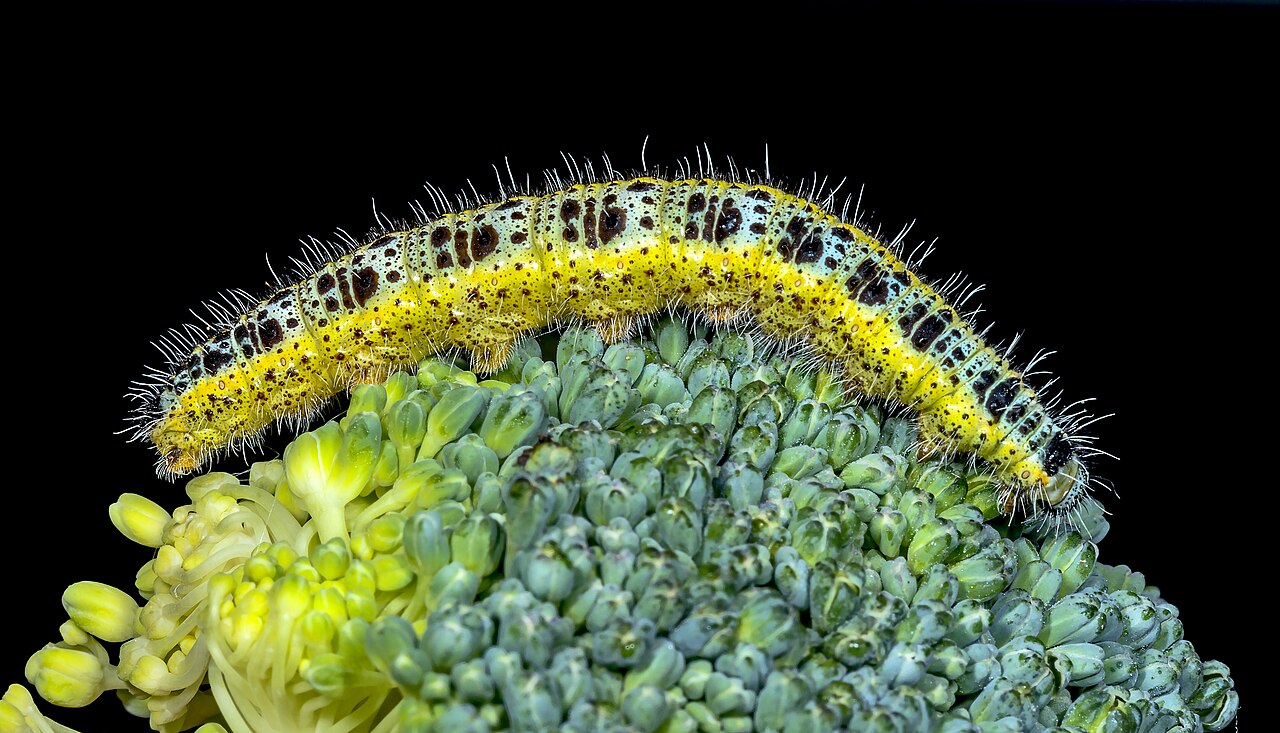
How to Get Rid of Cabbage White Caterpillars
Key Takeaways
- Netting is the only reliable control: Agralan butterfly netting stops the butterflies laying before the damage starts
- Check leaf undersides weekly and squash the yellow eggs or pick off caterpillars by hand
- If caterpillars are already feeding, Bacillus thuringiensis (Bt) spray kills them without harming bees or birds
- Horticultural fleece over small beds works as a lightweight alternative to netting
- Clear old brassica stumps in autumn so pupae don't overwinter in the soil
Suggested reading: Best Garden Netting and Fruit Cages · How to Get Rid of Aphids Naturally
It starts with a few neat holes in the outer leaves of your cabbage, kale or Brussels sprouts. Within days the holes spread, the leaves look like lace, and dark green droppings cover the plants below. That's the cabbage white caterpillar, the larva of the large white and small white butterflies, and in a UK summer it can strip a brassica patch faster than almost any other garden pest.
The good news is that control is straightforward once you understand the life cycle. Butterflies lay clusters of yellow eggs on the undersides of brassica leaves from late spring through to early autumn, the eggs hatch into hungry green caterpillars within a week or two, and each one feeds for two to three weeks before pupating. Cut off the egg-laying and you cut off the damage, which is why netting beats every spray on the market.
Here are the five methods that work in UK gardens, starting with the one that stops the problem before it starts.
1. Net Your Brassicas Before the Butterflies Arrive
Fine mesh netting is the single most effective defence against cabbage white caterpillars because it physically stops the butterfly from reaching your plants to lay eggs. The mesh needs to be fine enough to block the butterflies, around 5mm to 7mm, and it must be supported so it doesn't rest on the leaves, because butterflies can lay through netting that touches the crop.
The classic option is Agralan Bird and Butterfly Protection Netting, a 4m by 3m sheet of 5mm x 7mm mesh that drapes over hoops or bamboo canes. Secure the edges with galvanised netting pegs so butterflies can't crawl underneath. For larger plots, a walk-in fruit and vegetable cage gives you room to work while keeping the whole crop protected, and pop-up cages suit raised beds and containers. Put the netting in place in late spring, before the first white butterflies appear, and keep it on through September.
2. Check Leaf Undersides Weekly and Remove Eggs
Netting is only as good as the day you put it on, so a weekly inspection is the backup every brassica grower needs. Cabbage white eggs are easy to spot once you know what you're looking for: the large white lays clusters of 20 to 100 bright yellow, ribbed eggs on the undersides of leaves, while the small white lays single eggs. Both sit on the leaf surface in plain sight.
Squash any eggs you find between finger and thumb, and pick off any caterpillars and drop them into a bucket of soapy water. The caterpillars are green with faint yellow stripes and blend in well, so look along the veins and in the heart of the plant where they hide. A five-minute check twice a week catches the problem while it's still a handful of caterpillars rather than a defoliated crop.
3. Spray with Bacillus Thuringiensis (Bt) for Active Infestations
If you find caterpillars already feeding, the most effective organic option is Bacillus thuringiensis (Bt), a naturally occurring soil bacterium that caterpillars eat along with the sprayed leaf. Once ingested, it stops them feeding and they die within a few days. Bt is specific to caterpillars and related larvae, so it does not harm bees, ladybirds, birds or pets, and it breaks down quickly in sunlight.
Thuricide HPC BT Caterpillar and Worm Control is a ready-to-use Bt spray you can apply straight from the bottle. Spray the tops and undersides of the leaves thoroughly, because caterpillars only eat the parts you cover, and reapply after heavy rain. It works best on young caterpillars, so start as soon as you see the first one, not when the crop is half eaten.
4. Use Horticultural Fleece for Small Beds
For a small brassica bed or a few containers, horticultural fleece is a lighter, cheaper alternative to netting. Fleece lets light, air and water through, and while it's sold mainly for frost protection, a 30gsm sheet is opaque enough that butterflies won't lay through it. It also keeps pigeons off young plants, which netting alone does not.
Drape the fleece over hoops or canes so it doesn't crush the plants, weigh down the edges with bricks or soil, and leave slack for growth. Feizeisun Garden Fleece comes in a 2m by 10m roll of 30gsm material, enough to cover a full bed, and Green Thumbz Garden Fleece offers the same 2m by 10m coverage. The main downside is that fleece traps heat, so lift it on hot days to stop your brassicas bolting.
5. Encourage Predators and Clear the Debris
Cabbage white caterpillars have natural enemies that do some of the work for you. Parasitic wasps lay eggs inside the caterpillars, and birds and ground beetles eat the larvae and pupae. The more diverse your garden, the harder it is for any single pest to take over, which is why pesticide-free gardens tend to have fewer severe outbreaks.
After harvest, pull up old brassica stumps and compost them rather than leaving them in the soil, because pupae overwinter on plant debris and in the top layer of soil. Rotate your brassica bed next year so any survivors emerge into an empty patch. See our guide to beneficial garden bugs for how to attract the predators, and our aphid control guide for the same approach applied to a different pest.
Frequently Asked Questions
Final Verdict
Cabbage white caterpillars are the most damaging pest of UK brassicas, but they are also the easiest to prevent. Fine mesh netting put in place before the butterflies arrive stops the damage entirely, and a weekly check of leaf undersides catches anything that slips through. For active infestations, a Bt spray clears the caterpillars without harming the wildlife your garden depends on.
Net the crop in late spring, check the leaves twice a week, and clear the old stumps in autumn, and you can grow clean cabbage, kale and Brussels sprouts all season. There is no need to reach for broad-spectrum sprays that kill the beneficial insects doing the rest of the work.
Start with: butterfly netting for the crop, Bt spray for the emergencies, and netting pegs to keep the edges down.

Jake took over a completely overgrown council garden and turned it into a productive, low-maintenance space. He specialises in practical solutions for common UK gardening problems, from pests and diseases to lawn care and weather protection.
As an Amazon Associate we earn from qualifying purchases.
Last reviewed: August 16, 2026 · Evidence-based content · Contains affiliate links