5 Beneficial Garden Bugs to Welcome
Key Takeaways
- Lavender plug plants bring hoverflies, lacewings and ladybirds into your garden all season
- Ladybirds eat 50 to 60 aphids a day; their larvae eat even more
- Hoverfly larvae each consume up to 400 aphids before they pupate
- French marigold seeds attract hoverflies and parasitic wasps with their open, nectar-rich blooms
- Skip broad-spectrum sprays and use bee-friendly spot treatments only when an outbreak is severe
Suggested reading: How to Get Rid of Aphids Naturally · 5 Natural Pest Control Methods
When aphids cluster on your roses or whitefly cloud out of your brassicas, the instinct is to reach for a spray. But the healthiest UK gardens fight back with an army you cannot buy: beneficial insects. Ladybirds, lacewings and hoverflies are voracious predators of the soft-bodied pests that wreck your plants, and they work for free, all season, without harming a single pollinator.
Getting them to stay is about giving them what they need. Here are the five beneficial garden bugs worth actively welcoming, and exactly how to attract each one.
1. Ladybirds: The Aphid Clean-Up Crew
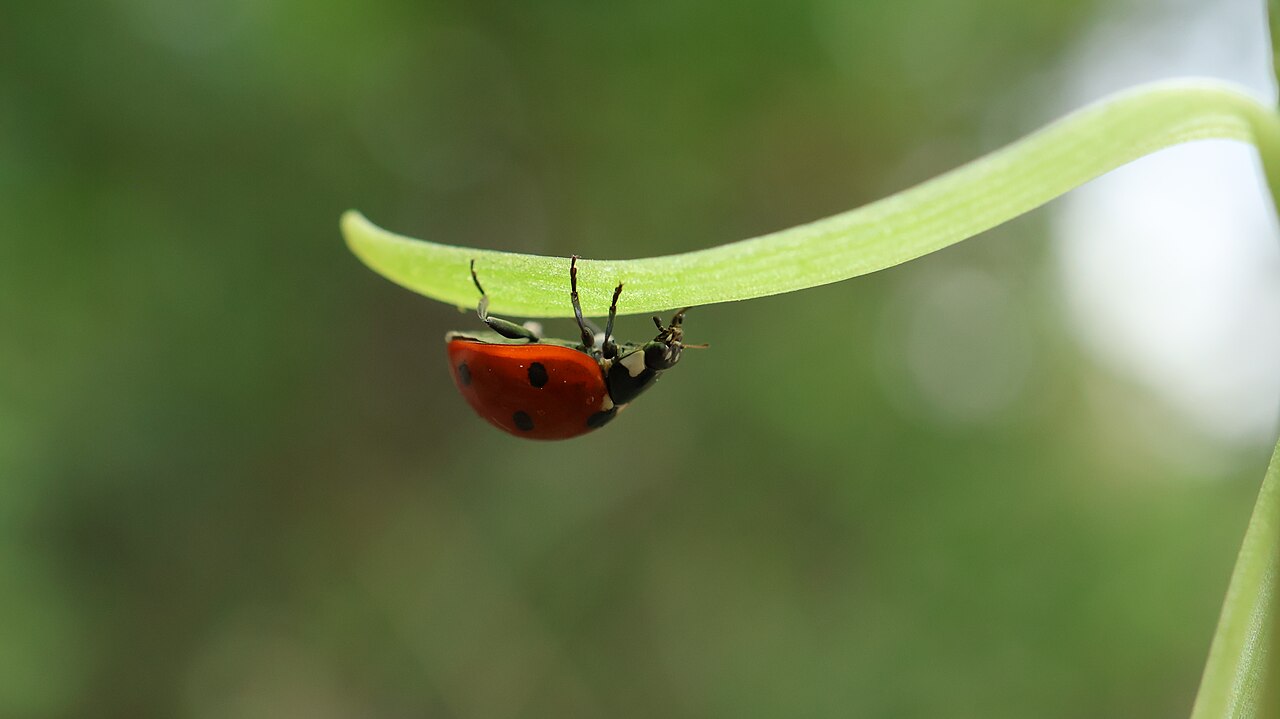
Ladybirds are the most famous garden ally, and for good reason. A single adult eats 50 to 60 aphids a day, and the larvae are even hungrier, chewing through hundreds of aphids, scale insects and mealybugs before they pupate. One ladybird in your border is worth more than a whole shelf of sprays.
How to attract them: Ladybirds need somewhere to overwinter and plants that host the aphids they eat. Leave a few nettles or weedy corners alone, and let ivy climb your fence, because both shelter ladybirds through winter. They also drink from shallow water, so a saucer with pebbles and a little water helps in dry spells.
2. Hoverflies: The Aphid Predators That Look Like Bees
Hoverflies look like small bees but they cannot sting, and their larvae are aphid-eating machines. Each hoverfly larva consumes up to 400 aphids before pupating, which makes them one of the most effective free pest controls in a UK garden. The adults also pollinate your fruit and veg as they feed on nectar.
How to attract them: Hoverflies love shallow, open flowers where they can reach the nectar. Umbellifers like dill, fennel, coriander and cow parsley are magnets, and so are marigolds, alyssum and cosmos. Sow a patch of these near your vegetable beds and the hoverflies will find the aphids on their own.
3. Green Lacewings: The Aphid Lions
Green lacewings earn the nickname "aphid lions" because their larvae hunt so aggressively. A lacewing larva eats aphids, thrips, red spider mite, whitefly and small caterpillars, gripping prey with its jaws and draining them dry. Adults are delicate green insects with lacy wings, and they feed on nectar and pollen, so flowers keep them around.
How to attract them: Lacewings need nectar-rich plants and shelter. Dill, fennel, angelica and yarrow all work, and cosmos gives them a long flowering window through late summer. In autumn, leave hollow-stemmed plants standing rather than cutting everything down, because lacewings overwinter in plant stems and leaf litter.
4. Ground Beetles: The Night Shift Slug Patrol
Ground beetles do their work after dark, which means most gardeners never see them. They are fast, shiny black or metallic beetles that hunt slugs, slug eggs, vine weevil larvae and caterpillars on the soil surface. A healthy ground beetle population ranks among the best slug controls a UK garden can have, and it costs nothing to encourage.
How to attract them: Ground beetles hide in damp, dark places during the day, so give them cover. Mulch your beds with compost or bark, leave a few stones and logs lying around, and avoid digging more than you need to. They cannot survive in bone-dry soil, so a bit of organic mulch does double duty.
5. Parasitic Wasps: The Tiny Invisible Assassins
Parasitic wasps are tiny, non-stinging insects that lay their eggs inside aphids, whitefly and caterpillars. The larvae eat the pest from the inside out, and mummified aphids on your plants are a sign they are working. These wasps are one of the most effective free pest controls in existence, and you have almost certainly had them in your garden without noticing.
How to attract them: Parasitic wasps feed on nectar, so the same umbellifers and daisy-family flowers that attract hoverflies bring them in. Dill, fennel, yarrow, cosmos and wild carrot all work. Crucially, stop using broad-spectrum sprays, because they kill parasitic wasps just as fast as they kill pests. If you must intervene, use a targeted treatment.
How to Build a Beneficial Insect Garden
You do not need all five insects at once. Start with two or three nectar-rich plantings and the spray discipline, and the predators will find their own way in. The quickest wins for a typical UK plot:
- Sow a nectar strip: a row of marigolds, cosmos or dill near the veg beds feeds every beneficial adult on this list.
- Add structure: a log pile, some stones and a mulch layer give ground beetles and lacewings places to hide and overwinter.
- Leave the odd weed: nettles host the aphids that ladybird larvae need, keeping them off your crops.
- Ditch broad-spectrum sprays: switch to evening spot treatments like Zero In Bug Soap Spray or KinderPet Natural Organic Plant Spray for the rare severe outbreak.
- Provide water: a shallow saucer with pebbles gives ladybirds and other small predators somewhere to drink.
Beneficial insects will not eliminate every pest, and that is fine. A few aphids left on a plant feed the next generation of ladybirds and lacewings, keeping the predator population established. Once the balance tips your way, pest outbreaks become rarer, milder and shorter, and your garden does the pest control itself.
Frequently Asked Questions
Final Verdict
Beneficial insects are the cheapest, most sustainable pest control a UK garden can have. Ladybirds, hoverflies, lacewings, ground beetles and parasitic wasps work around the clock, cost nothing, and never need reapplying. Your job is simply to give them food and shelter, and to stop killing them with broad-spectrum sprays.
Start with a nectar strip of marigolds or lavender, add a log pile and some mulch, and switch to evening spot treatments when you absolutely must spray. Within a season you will notice the difference: fewer aphid explosions, less slug damage, and a garden buzzing with life instead of waiting for the next bottle.
Start with: lavender plug plants for instant nectar, French marigold seeds to draw in hoverflies, and a bee-friendly spot spray for the rare emergency.

Jake took over a completely overgrown council garden and turned it into a productive, low-maintenance space. He specialises in practical solutions for common UK gardening problems, from pests and diseases to lawn care and weather protection.
As an Amazon Associate we earn from qualifying purchases.
Last reviewed: August 14, 2026 · Evidence-based content · Contains affiliate links