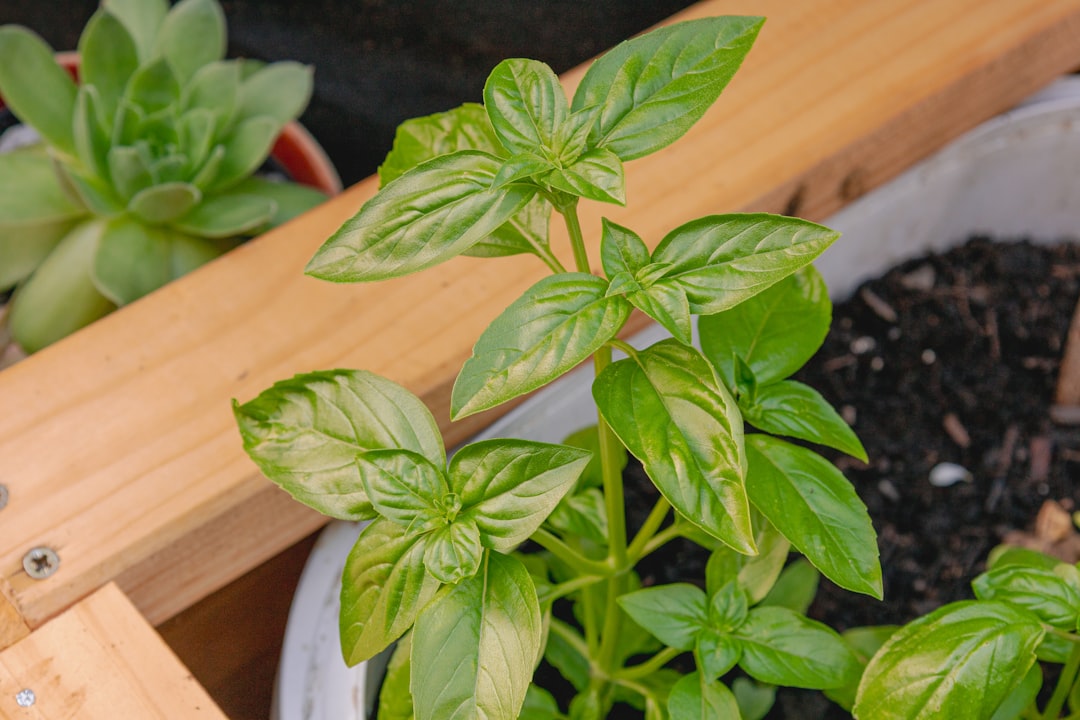
Growing Herbs: 7 Questions Answered (UK)
Growing herbs is one of the easiest wins in a UK garden, but the same questions come up again and again: can you grow herbs at home without a garden, are they better in pots or in the ground, and what actually works outdoors through a changeable British summer? We have grouped seven of the most-searched UK questions and answered each directly, with practical UK-specific detail.
Can you grow herbs at home in the UK?
Yes, and you do not need a garden to do it. Most culinary herbs grow well at home on a sunny windowsill, balcony or patio as long as they get at least four to six hours of light and the compost drains freely. Basil, mint, parsley, chives and coriander all do well indoors from spring to early autumn, and rosemary, thyme and sage handle a sheltered outdoor spot year-round.
For a simple start, a windowsill kit removes the guesswork. The Herb Garden Kit Indoor Starter (10 Variety) gives you a range of popular herbs in one box, while the Click & Grow Smart Garden 9 suits anyone who wants a self-watering set-up on a kitchen worktop. Keep compost damp, not soggy, and harvest little and often to keep plants bushy.
Is it better to grow herbs in the garden or in pots?
Both work, but they suit different herbs. In the garden, herbs have more root space, better drought resilience once established, and benefit from surrounding soil life. Rosemary, thyme, sage and bay grow into sturdy, long-lived plants in open ground if your soil is not waterlogged. In pots, you control drainage, move plants to catch sun, and keep invasive spreaders like mint contained.
We compared growing conditions using Amazon purchaser reviews, manufacturer specs and independent feedback, and the practical takeaway is this: put Mediterranean herbs that hate wet winters in the ground only if your soil drains sharply, otherwise keep them in pots you can move to shelter. Keep mint in its own pot in every case, because it will crowd out neighbours in a bed. For a fuller comparison see herbs in pots vs in the ground.
What should beginners know about growing herbs?
Start with three easy herbs, learn how they behave, then expand. Parsley, chives and mint are forgiving for beginners because they tolerate uneven watering and keep producing after repeated cuts. Basil and coriander are a little fussier about temperature and bolting, but still manageable if you sow little and often.
Sow from seed for the cheapest route, or buy small plants for a faster first harvest. A 15-variety herb seed pack is good value if you want to try several types without committing to full-size packets, and a self-watering herb saver helps keep cut herbs fresh between harvests. Avoid sowing all your seed at once: two small sowings two weeks apart give a steadier supply than one big flush that bolts together.
Is growing herbs in pots a good idea?
Growing herbs in pots is one of the most reliable methods in the UK because you can control the two things that matter most: drainage and position. A 20 to 25 cm pot with drainage holes, filled with multipurpose compost mixed with 20 percent grit or perlite, suits most herbs. Terracotta and fabric pots both breathe well, which lowers the risk of root rot in wet spells.
Group herbs with similar needs together rather than mixing everything in one container. Rosemary, thyme and sage like it drier and leaner, so keep them together. Basil, parsley, chives and coriander prefer a touch more moisture, so give them a separate pot. Water when the top 2 cm of compost feels dry and feed lightly every three to four weeks in summer.
Can you grow herbs in pots outdoors in the UK?
Yes, most herbs do well in pots outdoors from late April until October if you choose a sheltered, sunny position. South or west-facing patios, balcony railings and raised shelves against a warm wall all work. Hard frost is the main risk: tender herbs such as basil need to come inside or under cover when nights dip below about 8C.
Hardy perennials such as rosemary, thyme, sage, chives and mint stay outdoors year-round in most of the UK, although a pot raised on feet drains better and tolerates winter wet more reliably than one sat on cold, sodden ground. Coriander and dill are best treated as short-lived annuals: sow outdoors from May, harvest for a few weeks, then resow. For a step-by-step approach to containers, see growing herbs in pots UK and how to grow herbs UK.
How do you grow herbs in the garden itself?
In open ground, prepare a sunny bed with free-draining soil. If your soil is heavy clay, work in grit and organic matter or build a low raised bed so winter wet does not sit around the roots. Space rosemary, sage and thyme about 30 to 40 cm apart so air circulates and foliage dries quickly after rain, which lowers mildew risk.
Plant mint in a sunken pot or a bottomless bucket to contain its runners, and keep fast-growing parsley and chives where you can reach them easily from a path. Mulch around perennial herbs with a thin layer of horticultural grit rather than thick organic mulch, which holds too much moisture around woody stems over winter.
Can you grow herbs outdoors year-round in the UK?
Some herbs manage outdoors year-round, others do not. Hardy evergreens such as rosemary, thyme, sage, winter savory and chives overwinter in the ground in most of the UK without protection. Parsley often overwinters as a biennial and will flower in its second spring. Tender herbs such as basil, coriander and lemon grass are annuals here and will not survive a frost.
A practical UK approach is to keep a core of hardy perennials outdoors all year, grow tender herbs as summer annuals outdoors from May to September, and bring a pot of basil or parsley onto a windowsill for winter. The Seedsticks Indoor Herb Garden Kit is built for that windowsill use case when outdoor conditions turn cold and light levels drop.
Products mentioned in this guide
- Click & Grow Smart Garden 9 — self-watering indoor garden for the kitchen
- Herb Garden Kit Indoor Starter (10 Variety) — broad starter kit for beginners
- Seedsticks Indoor Herb Garden Kit — basil, mint and coriander for windowsills
- Herb Seeds 15 Varieties Pack — low-cost way to try several herbs
- Cole & Mason Self-Watering Herb Saver — keeps cut herbs fresher for longer
We compared these using Amazon purchaser reviews, manufacturer specs and independent feedback.
Frequently Asked Questions
Final Verdict
There is no single right way to grow herbs in the UK, but the pattern from the questions above is consistent: control drainage, match the herb to the right setting, and keep harvesting to encourage bushier growth. Start with a small set of forgiving herbs, use pots where you need flexibility and reserve open ground for hardy perennials that benefit from space.
If you want to go deeper, our guides to growing herbs in pots, herbs in pots vs ground and how to dry and store herbs cover the next steps once your plants are established.

Alex writes about vegetable growing and plant care for MyLushGarden, covering everything from balcony tomatoes to full allotments.
As an Amazon Associate we earn from qualifying purchases.
Last reviewed: 22 August 2026 · Evidence-based content · Contains affiliate links