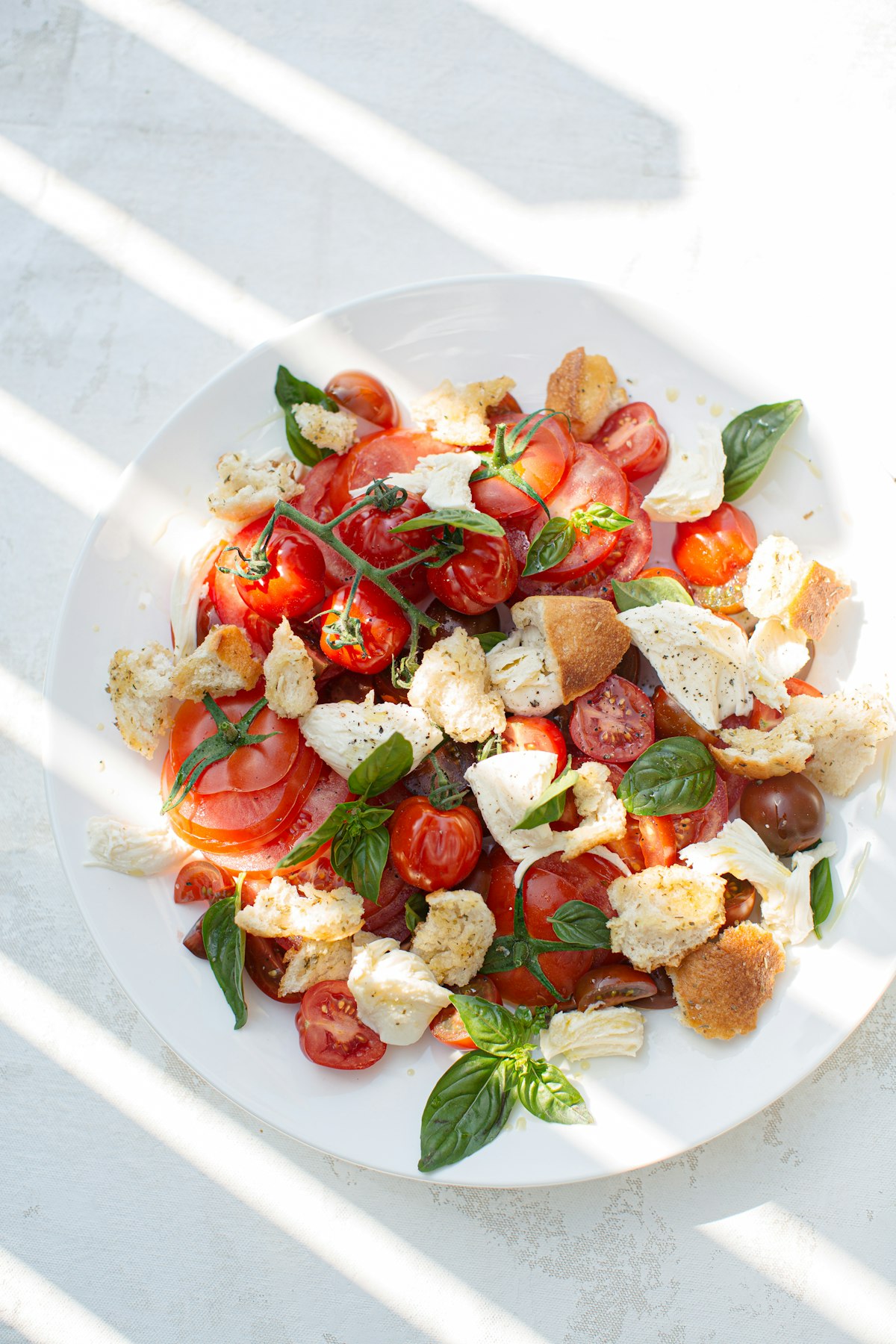
How to Grow Your Own Food in a Small UK Garden — A Beginner's Guide
- Start with space-saving crops like tomatoes, courgettes, runner beans, and salad leaves — they give the best yield per square foot
- Use quality containers and raised planters to maximise growing space on patios and paved areas
- Invest in a good hand trowel and comfortable gardening gloves — the right tools make all the difference
- Enrich your soil with quality multipurpose compost and balanced plant food for strong, healthy growth
- Sow successional crops from seed using reliable seed collections for continuous harvests from June through October
Suggested reading: Tabletop Vegetable Gardening UK · Growing Tomatoes in Pots · Growing Runner Beans
You don't need a sprawling allotment or acres of countryside to grow your own food. Whether you've got a modest suburban garden, a narrow balcony, or just a sun-drenched patio, you can produce a surprising amount of fresh vegetables, herbs, and even fruit with a little planning and the right approach.
In this guide, we'll walk you through everything you need to start growing your own food in a small UK garden — from choosing the best crops for limited space to the essential tools and soil preparations that set you up for success.
Why Grow Your Own Food in a Small Space?
The beauty of small-space vegetable gardening is efficiency. Every square foot earns its keep. A 3m × 3m patch can easily yield enough tomatoes, courgettes, beans, and salad leaves to feed a household of two through summer, with surpluses to freeze or share. Beyond the savings on your grocery bill, homegrown veg simply tastes better — a sun-ripened tomato still warm from the plant bears no resemblance to the pale supermarket alternatives. And there's the quiet satisfaction of walking into your garden and picking dinner.
For UK gardeners, many of the most productive crops are naturally suited to our climate. Tomatoes, courgettes, runner beans, and leafy greens thrive in British summers, and with a bit of protection, you can extend your harvest well into autumn. The key is choosing the right varieties and giving them the best possible start.
Choosing the Right Crops for Small Gardens
The golden rule of small-space vegetable growing is simple: grow what you love to eat, and prioritise crops that give the highest yield per square foot. Some plants are generous — they keep producing for weeks. Others give you one harvest and they're done. Here's what works best in a compact UK garden:
Tomatoes
Undisputed kings of the small vegetable patch. A single cordon tomato plant grown in a 30cm pot can produce 50-60 fruits over the season. Bush (determinate) varieties are even more compact and don't need staking. They need full sun, regular watering, and weekly feeding once the first truss sets. See our full guide to growing tomatoes in pots for detailed advice.
Courgettes
Incredibly productive — one plant can keep a household in courgettes all summer. They need a large container (40L+) or a 60cm square of ground, plenty of water, and rich soil. Check out our complete courgette growing guide for variety recommendations.
Runner Beans
Vertical growing at its finest. Runner beans climb up canes or netting, using almost zero ground space while producing armfuls of beans from July through September. They're also ornamental — red flowers attract bees and look beautiful. See how to grow runner beans in the UK for planting and staking tips.
Salad Leaves and Herbs
The ultimate space-saving crop. Sow a small patch of mixed salad leaves and you can take cut-and-come-again harvests for months. Herbs like basil, mint, chives, and parsley thrive in small pots on a windowsill or doorstep. See our herb growing guide for more.
Soft Fruit
Strawberries, blueberries, and raspberries are surprisingly easy in small gardens. Strawberries grow in hanging baskets and vertical planters. Blueberries thrive in pots of ericaceous compost. Raspberries can be trained against a fence in a 40cm-wide bed. For more details, read our soft fruit buying guide.
Setting Up Your Growing Space
Before you plant a single seed, take a weekend to get your space ready. Good preparation saves you months of frustration.
Containers and Planters
If you're gardening on a patio, balcony, or paved area, you'll need containers. The Gardman Heavy Duty Planter 40L is an excellent choice for courgettes, tomatoes, and compact fruit bushes — its generous capacity means roots have room to spread and the soil won't dry out as quickly as smaller pots would. For smaller spaces, look for self-watering planters (like the Lechuza range) that reduce the frequency of watering during hot spells — a real boon for UK gardeners who work full-time.
🚀 Our recommendation: The Gardman Heavy Duty Planter 40L is a 40-litre capacity container that's deep enough for courgettes, tomatoes, and fruit bushes. Durable, frost-resistant, and UV-stable. Also read our best garden planters and containers guide for more options.
Soil and Compost
Good soil is the foundation of productive growing. If you're planting in the ground, dig in plenty of well-rotted organic matter. For containers, always use a quality multipurpose compost. The Elixir Gardens Compost Bag provides a rich, peat-free growing medium that holds moisture well while draining freely — ideal for a mixed vegetable container. For even better results, mix in a slow-release fertiliser or top up with Elixir Multipurpose Compost which includes added nutrients to support strong early growth.
🌱 Pro tip: Mix a handful of Gardman Growmore Plant Food into your compost at planting time for a gentle, balanced nutrient release throughout the growing season. It's a granular, general-purpose fertiliser with an NPK ratio of 7-7-7 — ideal for vegetables. Also see our composting guide for making your own soil improver.
Essential Tools
You don't need a shed full of expensive gear to start growing vegetables. Three tools will cover 90% of small-garden tasks:
- Hand trowel — for planting, weeding, and mixing compost. The Burgon & Ball RHS Stainless Steel Trowel is a lifetime tool with a comfortable handle and rust-resistant blade. It's the one we reach for most often.
- Gardening gloves — protect your hands from blisters, thorns, and soil. The SHOWA Floreo 370 Gardening Gloves offer excellent dexterity with nitrile-coated palms that grip well even when wet.
- Watering can or hose — consistent watering is non-negotiable. The Vitax 2-3L Watering Can is perfect for small gardens — lightweight, balanced, and the rose gives a gentle shower that won't wash away seeds. If you have several containers, the Hozelock Ultralite Expanding Hose reaches every corner of a small garden without bulky storage.
For more tool recommendations, see our guides to essential hand tools, best trowels and hand forks, and best gardening gloves.
Sowing from Seed: Getting Started
Growing from seed is far more cost-effective than buying plug plants, and you get access to hundreds of varieties that garden centres simply don't stock. The Thompson & Morgan seed range is a reliable choice for UK growers — they offer everything from heritage tomato varieties to quick-growing salad mixes, and their germination rates are consistently excellent.
For a small garden, focus on crops you can sow directly outdoors from late spring onwards:
- April-May: Broad beans, peas, carrots, beetroot, spinach
- May-June: Courgettes, squashes, sweetcorn, French beans, runner beans
- June-July: Autumn carrots, kale, Swiss chard, winter cabbages, spring cabbage
If you're sowing in containers, use a fine seed compost and keep the surface moist by misting rather than heavy watering, which can dislodge seeds. Once seedlings have their first true leaves, thin them to the recommended spacing — overcrowding is the most common mistake new growers make.
Watering and Feeding
Container-grown vegetables need more attention than those in open ground because the soil volume is limited and dries out faster. In July, you may need to water twice daily during hot spells. Here's a quick reference:
- Tomatoes and courgettes: Deep water daily, directly at the roots. Wet foliage encourages blight.
- Salad leaves: Keep consistently moist — they bolt (run to seed) if allowed to dry out.
- Runner beans: Generous watering every day during flowering and pod set.
- Herbs: Most prefer slightly drier conditions. Water when the top inch of compost feels dry.
Feed every 7-14 days once plants start flowering and fruiting. A high-potash liquid feed (tomato feed is perfect for most veg) encourages more flowers, more fruit, and stronger growth. The Gardman Growmore Plant Food also works well as a balanced granular feed mixed into the top layer of compost every 4-6 weeks.
Maximising Space: Vertical Growing and Succession
Two techniques multiply your garden's productivity without adding a single square metre of growing space:
Vertical growing: Train climbing crops (runner beans, cucumbers, small squash varieties, peas) up obelisks, bamboo canes, or trellis netting. A single wigwam of canes in a 60cm pot can support 6-8 runner bean plants that produce for 8-10 weeks. Vertical growing also improves air circulation, reducing the risk of powdery mildew.
Succession planting: As soon as one crop finishes, replace it with another. Pull up spent pea plants in July and sow autumn carrots or Japanese onions in their place. Follow early potatoes with leeks or kale. This keeps your garden productive from March through November rather than peaking in August and sitting empty by September.
Common Problems and Solutions for Small-Scale Growers
Poor germination — Usually caused by cold soil or overwatering. Wait until soil temperature reaches 10°C before sowing tender crops, and water with a fine rose rather than a harsh jet.
Leggy seedlings — Not enough light. Move seed trays to a south-facing windowsill or invest in a small grow light if starting early in the season.
Blossom end rot (tomatoes) — A brown leathery patch on the bottom of fruits, caused by inconsistent watering. Keep moisture levels steady and mulch around the base of plants to reduce evaporation.
Pests — Aphids and slugs are the main enemies. See our guides on dealing with aphids and slug control for organic solutions.
Frequently Asked Questions
Final Verdict
Growing your own food in a small UK garden isn't just possible — it's one of the most rewarding things you can do with your outdoor space. Start small: a couple of tomato plants in good compost, a few runner beans climbing up a wigwam of canes, and a window box of salad leaves. With the right containers, quality compost, reliable tools, and good seed, you'll be harvesting your first crops within 8-12 weeks.
The key is to start, then build on what you learn. Every season teaches you something new — which varieties work on your soil, which spots get the best sun, how much water your containers need in a heatwave. Before you know it, you'll be planning next year's planting while still harvesting this year's, wondering why you didn't start sooner.
- Gardman Heavy Duty Planter 40L — Best large container for vegetables
- Elixir Gardens Compost Bag — Peat-free multipurpose compost
- Elixir Multipurpose Compost — Nutrient-enriched growing medium
- Gardman Growmore Plant Food — Balanced 7-7-7 granular fertiliser
- Burgon & Ball RHS Stainless Steel Trowel — Premium hand trowel
- SHOWA Floreo 370 Gardening Gloves — Nitrile-coated dexterity gloves
- Vitax 2-3L Watering Can — Compact watering can with fine rose
- Hozelock Ultralite Expanding Hose — Space-saving expanding hose
- Thompson & Morgan Seed Range — Reliable vegetable and herb seeds
📚 Container Vegetable Gardening Guide · Best Garden Planters & Containers · Essential Garden Hand Tools
Alex Green writes about vegetable growing, plant care and small-space gardening for MyLushGarden.
As an Amazon Associate we earn from qualifying purchases.
Last reviewed: July 19, 2026 · Evidence-based content · Contains affiliate links