Best Compost for Growing Tomatoes in Pots UK
The best compost for growing tomatoes in pots is a tomato-specific grow bag like the Westland Big Tom Tomato Planter - it comes pre-enriched with seaweed and high-potash nutrients that tomatoes need for heavy fruiting. If you prefer a DIY approach, a peat-free multipurpose compost with added perlite works well, but you will need to feed with a liquid tomato fertiliser from the moment flowers appear.
🔑 Key Takeaways
- Tomato-specific grow bags (Westland Big Tom, Levington Tomorite) save time - they come pre-enriched with the right nutrients
- Peat-free organic composts like Miracle-Gro Performance Organics work well but need regular liquid feeding from mid-June
- John Innes loam-based mixes hold moisture better, reducing blossom end rot risk in hot weather
- Whatever compost you choose, start feeding with liquid tomato food once the first flowers appear
📚 Suggested Reading: How to Grow Tomatoes in Pots UK · Best Compost for Vegetable Gardens UK
At a Glance: Our Top 5 Composts for Tomatoes in Pots
| Compost | Size | Type | Best For |
|---|---|---|---|
| Westland Big Tom | 50L | Tomato grow bag | Easy, low-effort tomato growing |
| Levington Tomorite Giant | 52L | Tomato grow bag | Larger plants, deeper roots |
| Miracle-Gro Performance Organics | 40L | Organic multipurpose | Organic growers, peat-free |
| Westland John Innes No.3 | 60L | Loam-based | Moisture retention, hot gardens |
| Westland Growbag | 33L | General purpose growbag | Budget option, needs feeding |
1. Westland Big Tom Tomato Planter - Best Overall
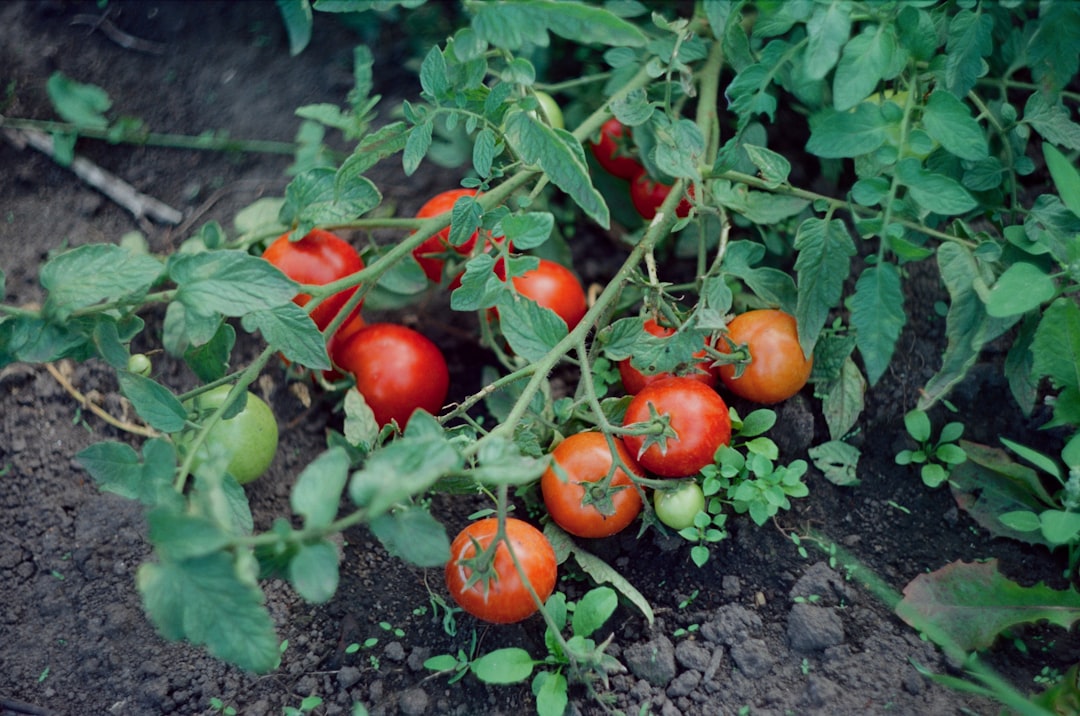
The Westland Big Tom is the go-to compost for UK tomato growers who want results without fuss. It is a 50-litre peat-free grow bag enriched with seaweed extract and a slow-release nutrient blend that feeds for up to 6 weeks. The deeper-than-average bag design gives roots more room to spread, which matters more than most people realise - shallow compost dries out fast in UK summer heat.
What sets it apart from generic grow bags is the potash content. Tomatoes are hungry plants, and they need potassium (potash) for fruiting more than they need nitrogen for leaf growth. The Big Tom formula is weighted toward fruiting nutrients, so you get more tomatoes and fewer massive green bushes with nothing on them.
For best results, plant 2-3 tomato plants per bag and start feeding with a liquid tomato food once the 6-week nutrient window expires. The seaweed extract also helps with disease resistance, which is useful in the humid UK climate where whitefly and blight are constant threats.
Price: ~£7.49 on Amazon · Check latest price →
2. Levington Tomorite Giant Planter - Best for Larger Plants
The Levington Tomorite Giant Planter is the Big Tom's main rival, and it edges ahead if you are growing indeterminate (cordon) varieties that get tall. At 52 litres, it is slightly larger, and the "giant" label refers to the deeper bag design - Levington specifically engineered this for tomatoes that need more root space.
The Tomorite enrichment is the real draw here. Tomorite is the UK's most recognised tomato feed brand, and having it baked into the compost means your plants get the right nutrients from day one. The seaweed extract adds trace minerals that support flower and fruit development. Many UK growers report that plants in Tomorite compost tend to start fruiting a week or two earlier than those in plain multipurpose.
The bag has 3 pre-marked planting slots, which takes the guesswork out of spacing. Plant one tomato per slot and you have the right distance for airflow between plants - important for preventing fungal diseases in the UK's damp summers.
Price: ~£6.99 on Amazon · Check latest price →
3. Miracle-Gro Performance Organics Fruit & Veg Compost - Best Peat-Free Organic
If you want to avoid peat and synthetic chemicals, the Miracle-Gro Performance Organics Fruit & Vegetable Compost is the strongest option in UK garden centres right now. It is 100% peat-free and uses natural organic ingredients to feed your plants. The "Performance Organics" range is Miracle-Gro's answer to the peat-free movement - they claim it grows plants "twice as big" compared to basic compost, though we would take that marketing with a pinch of salt.
What we do like about it is the specific formulation for fruit and veg. It has a higher potassium ratio than standard multipurpose, which is exactly what tomatoes need. The 40-litre bag is enough for 2-3 medium pots or one large container. Because it is not pre-enriched with tomato food, you will need to start liquid feeding earlier - from the moment you see the first flower buds forming.
The compost structure is good for drainage without drying out too quickly. It holds moisture well enough for container growing, which is the whole point when you are growing tomatoes in pots on a patio or balcony.
Price: ~£9.99 on Amazon · Check latest price →
4. Westland John Innes No.3 - Best for Moisture Retention
John Innes composts are a British invention - a loam-based formula that has been the standard for container growing since the 1930s. The No.3 is the "mature plant" formulation, designed for established plants that need a rich, heavy growing medium. For tomatoes in pots, this matters because loam holds water far better than peat-free or peat-based alternatives.
Blossom end rot - those horrible black patches on the bottom of tomatoes - is caused by inconsistent watering. The calcium is usually present in the compost, but the plant cannot absorb it if the soil dries out and then gets soaked. John Innes No.3's loam content acts like a sponge, keeping moisture levels more consistent even when you miss a watering or two during a UK heatwave.
The 60-litre bag is generous. You can fill two 15-litre pots or three grow bags from one bag. The downside is weight - loam-based compost is significantly heavier than peat-free alternatives, so if you are growing on a balcony or rooftop, factor in the load. The nutrients last longer too, so you can delay supplementary feeding until mid-July in most cases.
Price: ~£8.49 on Amazon · Check latest price →
5. Westland Growbag - Best Budget Option
The standard Westland Growbag is the most common sight in UK garden centres during tomato season, and for good reason - it is cheap and it works. At 33 litres, it is smaller than the dedicated tomato planters, but it will support 2-3 bush tomatoes or 1-2 cordon varieties if you feed well.
The compost itself is a general-purpose mix, not specifically formulated for tomatoes. It has a basic nutrient charge that lasts about 4-5 weeks, after which your plants will be starving without supplementary feeding. If you go this route, buy a bottle of liquid tomato food at the same time - you will need it by mid-June.
The thin bag design is the main weakness. It dries out faster than the deeper planters, and the shallow root zone limits how big your plants can get. For a first attempt at growing tomatoes, or if you are growing bush varieties that stay compact, it is perfectly adequate. For serious yields, spend the extra few quid on a dedicated tomato planter.
Price: ~£4.99 on Amazon · Check latest price →
What to Look for in Tomato Compost
Not all composts are equal, and tomatoes are fussier than most crops. Here are the factors that matter most when choosing a compost for container-grown tomatoes.
Nutrient Content
Tomatoes need high potash (potassium) for fruiting, moderate nitrogen for leaf growth, and calcium to prevent blossom end rot. A good tomato compost will have a higher K (potassium) ratio than standard multipurpose. Check the NPK label - look for the third number (K) being equal to or higher than the first (N).
Drainage and Moisture Retention
Tomatoes hate waterlogged roots but they also hate drying out completely. The ideal compost holds moisture without becoming soggy. Peat-free mixes have improved dramatically in recent years - the old criticism that they dry out too fast no longer applies to well-formulated products like the Miracle-Gro Performance Organics range. Loam-based John Innes mixes are naturally better at moisture retention, which is their main advantage.
Peat-Free vs Peat-Based
The UK government is phasing out peat in horticulture, and major retailers are already restricting peat-based product sales. Choosing peat-free now future-proofs your gardening habits. The performance gap between peat and peat-free has narrowed significantly - the best peat-free composts perform comparably to their peat-based equivalents for container growing.
Bag Size and Depth
Tomatoes need at least 10 litres of compost per plant, though 15-20 litres is better for cordon varieties. Grow bags should hold at least 30 litres for 2-3 plants. Deeper bags are always better - they give roots more room and hold moisture longer. The Westland Big Tom and Levington Tomorite Giant are specifically designed with extra depth for this reason.
Frequently Asked Questions
Can I reuse tomato compost from last year?
You can, but it needs refreshing. Old compost loses nutrients and structure. Mix it 50/50 with fresh compost and add a handful of slow-release tomato fertiliser. The disease risk is low if the previous plants were healthy, but if you had blight or other issues, bin it and start fresh.
Should I add perlite to my tomato compost?
Perlite improves drainage and aeration, which helps prevent root rot. It is worth adding a handful per pot if you are using a heavy compost like John Innes No.3, or if your pots are in a sheltered spot that does not get much wind. For standard grow bags, it is not necessary - the compost is already formulated for drainage.
How much compost does each tomato plant need?
Plan for 15-20 litres per plant for cordon (indeterminate) varieties and 10-15 litres for bush (determinate) types. One standard 40-50 litre grow bag supports 2-3 plants comfortably. If you are growing in individual pots, use at least a 10-litre pot - 15 litres is better for larger varieties.
When should I start feeding tomatoes in pots?
Start with a liquid tomato feed once the first flowers appear, typically mid-June in the UK. Grow bags with built-in enrichment (Big Tom, Tomorite) feed for 4-6 weeks, after which you must supplement. Plain compost needs feeding from week 5-6 onwards. Feed every 7-14 days depending on the product instructions.
Our Verdict
For most UK gardeners growing tomatoes in pots, the Westland Big Tom Tomato Planter hits the sweet spot. It is pre-enriched with the right nutrients, sized for 2-3 plants, and deep enough to keep roots happy through a British summer. You pay a couple of quid more than a basic growbag, but the time you save on feeding and the reduced risk of nutrient deficiency make it worth it.
If you are committed to organic growing, the Miracle-Gro Performance Organics is the pick - peat-free, natural ingredients, and specifically formulated for fruit and veg. Just remember to start liquid feeding earlier since it does not have built-in tomato food.
And if you are growing on a sunny patio where pots dry out fast, the Westland John Innes No.3 will keep your tomatoes better hydrated than any peat-free alternative. The extra weight is the trade-off for better moisture retention.
For more growing guides, visit MyLushGarden.
Alex writes about vegetable growing and plant care for MyLushGarden, covering everything from balcony tomatoes to full allotments.
As an Amazon Associate we earn from qualifying purchases.
Last reviewed: 25 August 2026 · Evidence-based content · Contains affiliate links