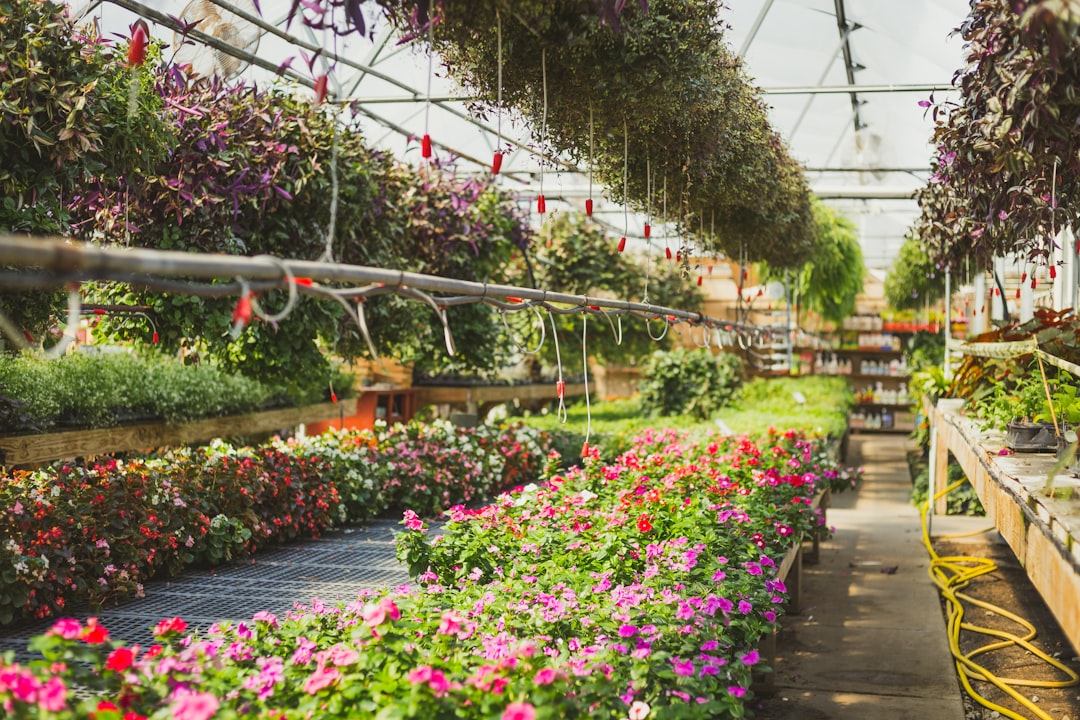
September is the sweet spot for greenhouse autumn prep. It's still warm enough to work comfortably, but early enough that you can spot and fix problems before cold weather makes them worse. Left unchecked, dirty glass cuts light levels by up to 40%, cracked seals let in draughts that freeze your roots, and leftover summer debris harbour slug eggs and fungal spores through winter.
Here are the seven jobs that matter most, in the order that makes sense to do them.
1. Clean the Glass Inside and Out
Why it matters: Algae, dirt, and mineral deposits build up on greenhouse glass over summer. Every bit of grime blocks light that winter-growing plants desperately need. Clean glass lets in up to 40% more light than dirty glass, which makes the difference between salad leaves that thrive and ones that sulk.
How to do it: Mix a tablespoon of washing-up liquid in a bucket of warm water. Wash both sides of each pane with a soft brush or sponge, working from the top down. For stubborn algae, a solution of one part white vinegar to four parts water cuts through it without harming plants. Rinse with clean water and let it dry. While you're up there, check for cracked or missing panes and note which ones need replacing.
2. Check and Repair Seals and Weatherstripping
Why it matters: Cold draughts through gaps around doors and vents drop the temperature inside your greenhouse by several degrees overnight. For unheated greenhouses, that can be the difference between 2°C and -2°C, which is enough to kill tender plants.
How to do it: Run your hand around the door frame, vent edges, and where the glass meets the frame. Feel for cold air moving through gaps. Apply self-adhesive foam draught strip to the door frame, and use clear silicone sealant on cracks where glass meets aluminium. Replace any rubber gaskets that have gone hard or brittle. It takes about an hour and saves you from running a heater harder than necessary.
3. Insulate Hot Water Pipes and the Tank
Why it matters: If your greenhouse has a hot water pipe system or an overhead tank, uninsulated pipework loses heat fast. Frozen pipes can split and flood the greenhouse when they thaw, and a cold tank means your heating system runs inefficiently.
How to do it: Wrap pre-slit foam pipe insulation around any exposed hot water pipes. For the tank, a purpose-made tank jacket or an old sleeping bag wrapped around it reduces heat loss significantly. Check that your thermostat is set to come on at around 5-7°C for tender plants, or 2-3°C if you're only protecting hardy stock. Give the system a test run while it's still mild enough to get a plumber out if something's wrong.
4. Clear Out Summer Crops and Diseased Material
Why it matters: Spent tomato, pepper, and courgette plants left in the greenhouse over autumn become a breeding ground for blight, whitefly, and aphids. Old potting compost in used grow bags harbours fungal spores and slug eggs that wake up in spring.
How to do it: Pull out every summer crop, roots and all. Remove the top 5cm of used potting compost from containers and replace it fresh. If you've had blight on tomatoes, don't compost the material, put it in green waste. Wash all pots and trays with a weak solution of Jeyes Fluid or bicarbonate of soda to kill lingering spores. Wipe down staging with the same solution. This single job prevents most greenhouse disease problems next year.
5. Set Up Overwintering Space for Tender Plants
Why it matters: Tender plants like pelargoniums, fuchsias, citrus, and dahlias need frost-free shelter from October onwards. A greenhouse with good insulation can keep them alive through winter without expensive heating, as long as you prepare the space before the cold arrives.
How to do it: Move tender pots to the centre of the greenhouse where temperatures are most stable. Group pots together to create a mass of thermal insulation. Place pots on thick polystyrene sheets or bubble wrap to insulate roots from the cold floor. If you're growing in raised beds inside the greenhouse, cover the soil with fleece on the coldest nights. Leave space around each plant for air circulation, which prevents botrytis (grey mould) in damp winter conditions.
6. Check That Your Heating System Works
Why it matters: Finding out your greenhouse heater doesn't work when it's -5°C outside is a costly mistake. Thermostats fail, elements burn out, and gas heaters need their nozzles cleaned annually. September is the time to test everything while replacement parts are still available and delivery takes days, not weeks.
How to do it: Turn on your heater and set the thermostat to 7°C. Check that it kicks in and holds temperature for an hour. For gas heaters, check the flame is blue and steady (yellow or flickering means incomplete combustion). Clean the burner nozzle with a needle if needed. For electric heaters, check the element glows evenly and the thermostat clicks at the set temperature. Replace any heater that's not working properly, don't wait for the first cold snap.
7. Organise Shelving and Staging for Winter Sowing
Why it matters: An organised greenhouse lets you maximise the limited winter light. Tall plants go on the north side, low trays go on the south side. Winter-sown seeds need every photon they can get, and cluttered staging blocks light to lower shelves.
How to do it: Clear everything off the staging and give it a scrub. Reorganise so that seed trays and low pots are on the south-facing side where they get the most light. Move taller pots to the north side where they won't shade smaller plants. Fit mesh shelf liners to prevent small pots falling through, and add S-hooks for hanging baskets of winter herbs. This reorganisation takes 30 minutes but makes the greenhouse far more productive through the dark months.
Quick Checklist
- Clean glass inside and out
- Seal draughts around doors and vents
- Insulate pipes and water tank
- Remove all summer crop debris
- Set up overwintering space for tender plants
- Test heating system and thermostat
- Reorganise staging for winter light
Frequently Asked Questions
Final Verdict
Spending a weekend on these seven jobs in September pays dividends through winter. Clean glass, sealed draughts, and insulated pipes keep your greenhouse temperatures up and heating costs down. Clearing summer debris prevents the disease and pest problems that spoil winter crops. Get these done early and your greenhouse stays productive from September right through to spring.