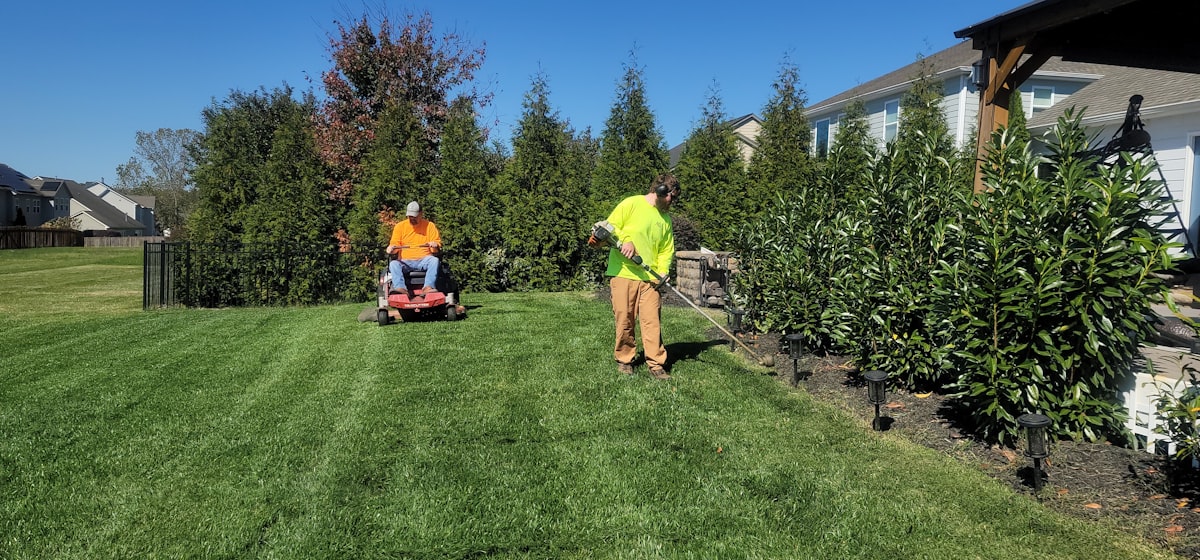
5 Late Summer Lawn Care Jobs for a Greener Garden
- Raise your mower blades to 4-5cm for late summer - taller grass copes better with heat
- Switch to a high-potassium autumn feed like Scotts Lawn Builder to strengthen roots
- Aerate compacted areas with a Wolf-Garten Lawn Aerator before the autumn rains arrive
- Edge your borders with a Bosmere Lawn Edger while the soil is still dry enough to cut cleanly
- Lightly rake out thatch using a Spear & Jackson Lawn Rake to prevent moss in autumn
Late July and August are quiet months on most UK lawns. The rapid spring growth has slowed down, the grass is often stressed from dry spells, and it's tempting to just let things slide until September. But the truth is - what you do (or don't do) in the next few weeks has a big impact on how your lawn looks when the weather cools down and growth picks back up.
Late summer is one of the most underrated periods for UK lawn care. The soil is still warm, so anything you do now gets a head start before autumn. The key is to work with the conditions rather than fighting them. Here are the 5 jobs worth tackling in late summer.
1. Raise Your Mower Blades and Mow Less Often
If you've been cutting your lawn at 3-4cm through spring and early summer, now is the time to raise the deck. Setting your mower blades to 4-5cm leaves the grass longer, which shades the soil surface, reduces evaporation, and helps the roots grow deeper. A deeper root system is what gets the lawn through dry August weeks and into autumn in good shape.
Growth naturally slows in late summer, so you can drop from mowing twice a week to once every 10-14 days depending on the weather. If you do get a wet spell and the grass shoots up, never cut more than one-third of the blade length in a single pass - scalping a lawn in summer heat is one of the quickest ways to get bare patches.
Our pick: The Ryobi 18V ONE+ OLM1833B Cordless Lawn Mower makes height adjustments simple with a single-lever cutting height system across 5 positions. It's lightweight enough for smaller lawns and the 18V battery system means you're not dragging a cable around. Read our full best lawn mowers UK guide for more options.
2. Switch to an Autumn-Formula Lawn Feed
Most gardeners reach for a high-nitrogen feed in spring to push green growth, but late summer is different. You want a feed that's higher in potassium and phosphorus - the nutrients that strengthen cell walls, boost root development, and prepare the grass for winter stress. Nitrogen-heavy fertiliser now would produce soft, lush growth that's vulnerable to frost and disease.
Apply an autumn lawn feed in late August according to the pack instructions, ideally before rain so it washes into the soil. If the weather is dry, water it in gently with a sprinkler or watering can. You won't see the same dramatic greening as a spring feed, but the work is happening below ground where it counts.
Our pick: Scotts Lawn Builder is a solid choice for UK lawns. It's a slow-release formula that feeds for up to 12 weeks, meaning one application in late summer carries the lawn right through autumn. Spread it evenly with a drop spreader for the best coverage.
3. Aerate Compacted Areas Before the Autumn Rains
After a summer of barbecues, kids playing, and general garden traffic, your lawn's soil is likely compacted in the high-traffic areas. Compaction means roots can't breathe, water sits on the surface, and moss gets a foothold when autumn dampness arrives. Aerating in late summer tackles this before the problem spots appear.
For most UK lawns, a manual hollow-tine aerator or solid-tine fork does the job. Push the tines into the soil about every 10cm across the compacted areas, aiming for 7-10cm depth. The holes fill with air, water can drain, and roots have room to spread. On larger lawns, a hollow-tine aerator removes small plugs of soil that you can brush away once they dry.
Our pick: The Wolf-Garten Lawn Aerator has hardened steel tines that cut through compacted soil cleanly, and the ergonomic handle makes the job easier on your back. For a lighter option, the Fiskars Handy Lawn Aerator has a clever step-and-pull mechanism that removes soil cores without bending.
4. Edge Your Borders for a Sharp Finish
Late summer is the perfect time to re-define your lawn edges. The soil is usually drier than in spring, which means you can cut a clean line without the edge crumbling away. Grass that has crept over borders onto paths, flower beds, or patios during the growing season makes even the healthiest lawn look messy.
Use a half-moon edging tool or a dedicated lawn edger to cut a crisp vertical line along borders. Work from a standing position so you can see where the line needs to go, and use a plank of wood as a guide if you want perfectly straight edges. Curved beds need a more relaxed approach - cut the line freehand and step back every metre to check the curve flows naturally.
Our pick: The Bosmere Lawn Edger has a sharp, tempered steel blade and a long ash handle that gives you plenty of leverage. The foot tread makes it easy to drive into compacted soil. Pair it with a pair of good gardening gloves and you're set for tidy edges all autumn.
5. Lightly Rake Out Thatch and Debris
Thatch - the layer of dead grass stems, roots, and organic matter that builds up between the soil and the green growth - is one of the main causes of moss problems in autumn. A thatch layer thicker than 1-2cm stops water reaching the soil, creates a perfect bed for moss spores, and encourages shallow rooting.
Late summer is a good time for a light scarify (not the aggressive spring raking). Use a spring-tine rake to pull up the loose thatch, moss, and debris. Don't go at it so hard that you tear up healthy grass - gentle passes in different directions are more effective than one aggressive session. Compost the debris or bag it for green waste collection.
Our pick: The Spear & Jackson Lawn Rake has a 50cm head with curved wire tines that are gentle on the grass but effective at lifting thatch. The telescopic handle adjusts to your height, which makes a noticeable difference when you're working on larger lawns. For a complete lawn setup, check out our best lawn mowers UK roundup and summer lawn care guide.
Bonus: Water Deeply, Not Often
If August brings a dry spell, resist the urge to give the lawn a light sprinkle every evening. That encourages shallow roots that panic as soon as the soil dries out. Instead, water deeply once a week - about 2.5cm of water - early in the morning so the grass has time to dry before nightfall. A rain gauge or an empty tuna can placed on the lawn tells you when you've applied enough.
Most established UK lawns can handle a few weeks of dry weather without permanent damage. The grass will turn brown and go dormant, but it greens up quickly when rain returns. If you've been raising the mower blades and encouraging deep roots, your lawn will bounce back faster than you expect.
Frequently Asked Questions
Final Verdict
Late summer is a transition period for UK lawns. The grass isn't growing furiously, but the soil is warm and receptive. The 5 jobs above - raising the mower blades, switching to autumn feed, aerating, edging, and light thatch removal - are all about one thing: setting the lawn up for success in autumn and beyond.
None of them takes more than an hour, and together they make a visible difference to how the lawn looks when the weather turns. For the full picture on year-round lawn care, see our summer lawn care guide and best lawn mowers UK roundup.

Jake took over a completely overgrown council garden and turned it into a productive, low-maintenance space. Specialises in practical solutions for common UK gardening problems, seasonal tasks, and lawn care.
As an Amazon Associate we earn from qualifying purchases.
Last reviewed: 27 July 2026 · Evidence-based content · Contains affiliate links