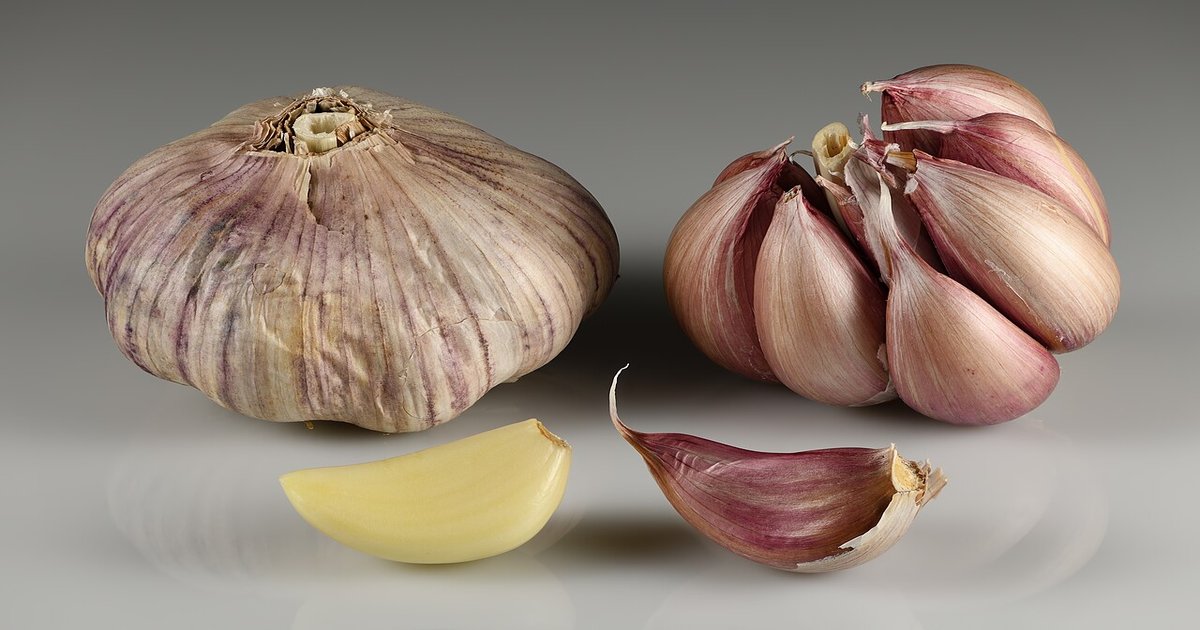
How to Grow Garlic in the UK: Complete Guide
Garlic is the most forgiving crop in the UK vegetable garden, and that's coming from someone who has killed more tomato plants than he cares to count. You plant cloves in autumn, walk away for the winter, and come back in June to pull bulbs that cost a fortune in the shops. It takes almost no space, shrugs off frost, and stores for months without any fancy equipment. If you only grow one thing this year, make it garlic.
The timing works in your favour too. August is the month to order your seed garlic while the best varieties are still in stock, and October is when the cloves go in the ground. This guide covers the varieties that actually perform in British conditions, the exact planting depth and spacing, and the handful of mistakes that stop people getting big bulbs.
- Plant garlic in October or November for the biggest bulbs, using certified garlic for planting rather than supermarket cloves
- Softneck types like Provence Wight garlic bulbs store longest and suit UK gardens best
- Plant cloves tip up, 2.5cm deep, 15cm apart, in soil enriched with fish, blood and bone fertiliser before planting
- Keep garlic weed-free through spring and stop watering once the leaves start to yellow
- Harvest in June and July when the lower leaves brown, then cure for two to three weeks before storing
Suggested Reading: How to Grow Potatoes in the UK, Succession Planting for a Continuous Harvest and How to Grow Cabbage in the UK
Why Garlic Belongs in Every UK Plot
Garlic earns its space because it's the lowest-maintenance crop you can grow. There's no staking, no pinching out, no daily watering once it's established. You plant it at the end of the growing season when most other crops are finished, it sits through the worst of the British winter, and it's ready to lift before the summer glut starts. The flavour of homegrown garlic is also noticeably stronger and sweeter than anything wrapped in plastic at the supermarket.
It's also a brilliant crop for beginners because the failure points are few and easy to avoid. Get the planting depth right, keep the bed weed-free in spring, and harvest at the right time, and you'll have a crop to be proud of. Even a small raised bed or a couple of deep containers can produce enough bulbs for months of cooking.
Hardneck vs Softneck: Choosing the Right UK Variety
Garlic splits into two families, and the choice matters more in the UK than almost anywhere else. Softneck garlic is the type you see braided in markets: it has no central stalk, stores for six months or more, and copes well with the mild, wet winters most of Britain gets. Provence Wight garlic is the classic UK softneck, bred for our conditions and consistently reliable in trials.
Hardneck garlic produces a woody central scape in early summer that curls over and needs cutting off, which is one extra job. In return you get slightly larger, punchier cloves and better cold tolerance for Scotland and northern England. Red Donetsk garlic is a hardy hardneck that performs well in cold, exposed sites. The trade-off is storage: hardnecks keep for three to four months rather than six plus.
When to Plant Garlic in the UK
The golden rule is to plant garlic in October or November, before the ground gets cold and wet. Autumn planting gives the cloves time to put down roots while the soil is still warm, and those roots are what produce big bulbs the following June. February planting works too if you missed the window, but you'll get smaller bulbs and a later harvest.
Order your seed garlic in August and September while the popular varieties are in stock. A pack of garlic bulbs for planting will include several bulbs, which split into plenty of individual cloves. Plant the largest cloves for the best results and use the smaller ones in the kitchen.
Soil Preparation: The Difference Between Good and Great Bulbs
Garlic isn't fussy, but it hates two things: waterlogged soil and fresh manure. Choose a spot in full sun with soil that drains well, and dig in well-rotted compost a couple of weeks before planting. If your ground is heavy clay, a raised bed or mound is the simplest fix, because garlic rots in standing water faster than almost any other crop.
A week before planting, work in a general-purpose fertiliser to give the cloves slow-release nutrition through winter. Fish, blood and bone is the traditional choice for garlic in the UK because it feeds the soil as well as the plant. Fork it into the top few centimetres and rake the bed level.
How to Plant Garlic Cloves
Break each bulb into individual cloves, keeping the papery skin intact, and set the biggest ones aside for planting. Push each clove into the soil tip up, root plate down, so the tip sits about 2.5cm below the surface. Space cloves 15cm apart with 30cm between rows, which gives each plant room to bulk up without competing.
A stainless steel dibber makes this job properly satisfying: you press a clean hole, drop the clove in, and backfill. In very cold or exposed areas, planting 5cm deep instead gives extra frost protection. Water the bed in after planting, then leave it alone for winter.
Caring for Garlic Through Winter and Spring
Garlic needs almost nothing through winter. If a hard frost follows planting, a mulch of straw or leaves protects the cloves while they root. Come spring, the main job is weeding: garlic is a poor competitor and grass or chickweed will smother young plants fast. Hoe gently between rows or mulch with compost to keep the bed clear.
Feed with a liquid seaweed or balanced feed once in March and again in April if growth looks weak. Stop feeding once the leaves start to yellow, and stop watering altogether in the run-up to harvest. Wet soil at this stage makes bulbs split and store poorly.
When and How to Harvest
Garlic is ready when the lower leaves turn brown and the top few are still green, usually late June through July depending on the variety and planting date. Lift a test bulb first: the cloves should fill the skin completely with no gap. Use a fork to loosen the soil rather than pulling by hand, which can snap the stems.
Lift the bulbs on a dry day and leave them on the soil surface for a few hours to dry the outer skins. Then move them somewhere dry, airy and shaded to cure for two to three weeks. Once the stems feel papery, trim them to about 2.5cm and brush off loose soil before storing.
Storing Your Garlic
Properly cured garlic keeps for months in a cool, dry, dark place with good airflow. A mesh bag, a hanging net, or simply a slatted shelf all work well. Softneck varieties like Provence Wight are the best keepers and can last through winter into spring. Check bulbs monthly and use any that start to sprout first.
Save a few of your biggest, healthiest bulbs to replant the following October, and you'll never need to buy seed garlic again. Garlic adapts to your local conditions over a few generations, and home-saved stock often outperforms shop-bought bulbs in the long run.
Frequently Asked Questions
Products Mentioned in This Guide
- Garlic for Planting UK - Provence Wight - the classic UK softneck for reliable, storable bulbs
- Garlic for Planting UK - Red Donetsk - hardy hardneck for cold, exposed sites
- Berry and Bird Stainless Steel Dibber - clean, even holes for cloves
- Westland Fish, Blood and Bone - slow-release feed for pre-planting soil
- Green Haven Peat-Free Multipurpose Compost - for container and raised bed growing
- Draper 2 Litre Watering Can - gentle watering for young plants
Final Verdict
Garlic is the crop that keeps giving even when you give it almost nothing. Plant certified cloves in October, keep the bed weed-free, lift at the right time, and you'll pull bulbs that beat anything in the shops. Start with a softneck like Provence Wight for the easiest first crop and longest storage, then experiment with a hardy hardneck if you want more punch and don't mind the shorter shelf life.
It pairs naturally with the rest of your plot too: garlic's pest-repelling reputation makes it a useful companion between rows of carrots and brassicas, and it harvests just as your summer crops are getting going. If you're new to growing your own, it's the perfect first crop. If you're experienced, it's the easiest harvest you'll have all year.
Alex Green writes about vegetable growing, plant care and small-space gardening for MyLushGarden.
As an Amazon Associate we earn from qualifying purchases.
Last reviewed: August 3, 2026 · Evidence-based content · Contains affiliate links