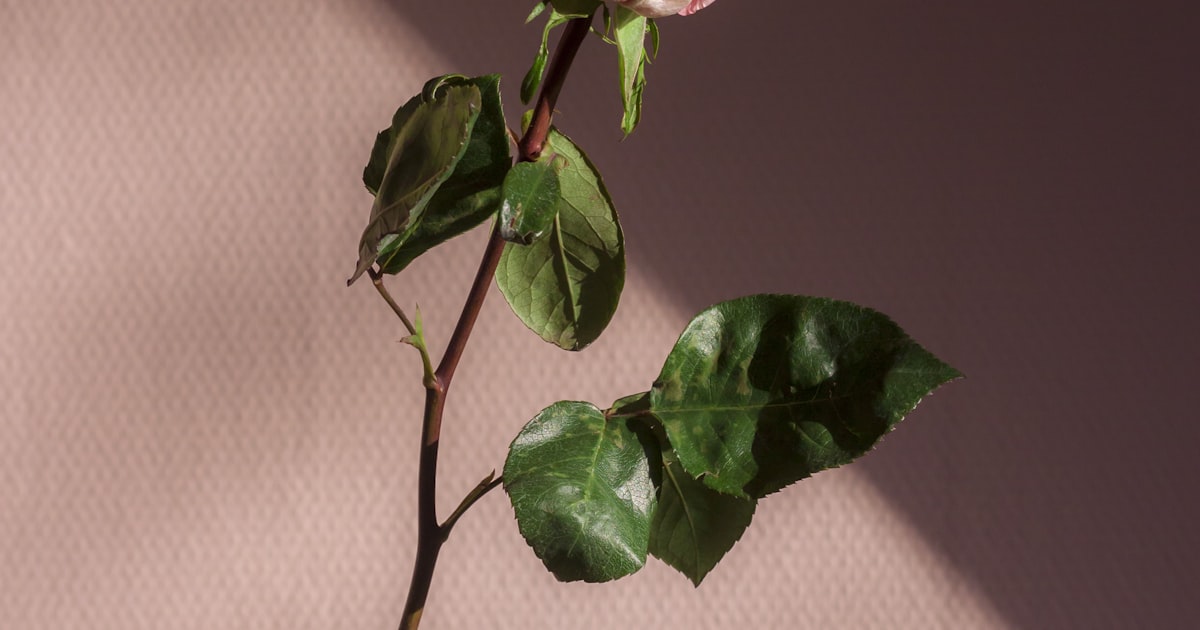
How to Deadhead Roses UK — Summer Guide
- Deadheading roses redirects energy into producing more flowers instead of hips and seeds
- Cut spent blooms at a 45° angle just above a leaf with 5 leaflets — this is where the strongest new growth emerges
- Use sharp bypass secateurs like the Felco 2 for clean cuts that heal quickly
- For climbing and rambling roses, deadhead back to a healthy bud facing the direction you want growth to go
- Stop deadheading in early September in the UK to allow hips to form for winter interest and bird food
Suggested Reading: How to Create a Stunning Cottage Garden · Summer Pruning Guide
🛠️ Tools for Deadheading Roses
Felco 2 Classic Bypass Secateurs
Felco 13 Lever-Action Secateurs
Briers Premium Leather Gardening Gloves
LIVIVO Memory Foam Kneeling Pad
Organic Plant Bug Spray (Bee-Friendly)
July is peak rose season in UK gardens. Your David Austin shrubs, climbing roses, and patio varieties are producing flushes of colour that make all the pruning, mulching, and feeding worthwhile. But if you want those blooms to keep coming into September, there's one job that makes all the difference: deadheading.
Deadheading is simply the removal of spent flowers before they set seed. It sounds straightforward, and it is — but doing it right means more flowers, healthier plants, and a rose garden that looks cared-for rather than ragged. Let's walk through exactly how to deadhead roses in UK gardens, when to stop, and what tools make the job easier.
Why Deadheading Works
When a rose flower fades and begins to form a hip (the seed pod), the plant diverts energy into ripening those seeds. That's one less flush of flowers this season. By snipping off the spent bloom, you're telling the plant: "keep producing flowers." The result is a second, third, or even fourth wave of colour that lasts well into early autumn.
There's evidence that regular deadheading combined with a neem oil spray keeps roses healthier too — removing decaying flower heads reduces the risk of botrytis (grey mould) and other fungal diseases that thrive in damp British summers.
When to Deadhead Roses in the UK
Start deadheading as soon as the first flush of flowers begins to fade — typically from late June onwards in most UK gardens. Through July and August, make it part of your weekly garden routine. A quick walk around the rose beds every weekend with your secateurs is all it takes to keep things tidy.
Stop deadheading in early September. At this point, let some of the last flowers develop into rose hips. These bright red or orange seed pods provide valuable winter structure and food for birds like blackbirds and thrushes. Many modern shrub roses also produce attractive hips that look stunning in a winter garden, especially when frosted.
How to Deadhead: Step by Step
Step 1: Use the Right Tool
Always use sharp, clean bypass secateurs like the Felco 2 for deadheading. Bypass secateurs make a clean scissor cut that heals quickly, unlike anvil secateurs which can crush the stem. For gardeners with arthritis or weaker grip, the Felco 13 lever-action secateurs provide extra cutting power with less effort. Read our full secateurs review for detailed comparisons.
Step 2: Find the Right Leaf
Follow the spent flower stem down until you find a leaf with five leaflets (sometimes called a true leaf). The leaf below this — with three leaflets — is too close to the flower and won't produce strong growth. Cut just above a five-leaflet leaf that faces outward from the centre of the plant. This encourages an open, airy shape rather than a congested centre.
Step 3: Make a Clean Cut
Cut at a 45° angle about 5–8mm above the leaf joint, sloping away from the bud. A clean, angled cut sheds water and prevents dieback. Ragged cuts from blunt blades invite disease. Keep a pair of Briers leather gardening gloves handy — rose thorns are no joke, and a good pair of gauntlet-style gloves protects your forearms while you work.
Step 4: Remove the Whole Truss
For cluster-flowering roses like floribundas, don't pick off individual dead flowers from the truss. Wait until the whole cluster has finished, then cut the entire stem back to the first five-leaflet leaf below the truss. This produces a much cleaner look and a stronger regrowth.
A kneeling pad makes a real difference if you have low-growing bush roses — your knees will thank you after tackling a dozen bushes.
Special Cases: Different Rose Types
Climbing Roses
Deadhead climbing roses the same way — cut back to a five-leaflet leaf. But pay attention to which direction the new growth will go. You want to encourage shoots that fill gaps in the trellis or wall, not shoots that grow into the centre of the plant. Long-handled pruners like the Hozelock extension wand are handy for reaching high blooms without a ladder.
Rambling Roses
Ramblers typically flower once on the previous year's wood, so deadheading won't encourage a second flush. However, removing spent flowers still keeps the plant tidy and prevents it from wasting energy on seed production. Cut back to a healthy leaf joint as you would with a climbing rose.
Shrub and Species Roses
Many species roses and some shrub roses are grown specifically for their hips. If you want autumn colour and winter interest, stop deadheading these varieties after August. Rosa rugosa, for example, produces large tomato-like hips that are a highlight of the autumn garden.
Patio and Miniature Roses
These compact roses respond brilliantly to deadheading. Use your Felco 2 or even sharp kitchen scissors for the smaller stems. Deadhead weekly through summer and they'll produce flowers continuously until the first frosts.
Feeding After Deadheading
After deadheading a whole plant, give it a boost. A liquid rose feed or general-purpose fertiliser applied around the base provides the nutrients needed for the next flush. Water it in well with a Hozelock multi-purpose spray gun for gentle, even watering. Don't feed after mid-August — you don't want to encourage soft new growth that frost will damage.
Common Pests to Watch For While Deadheading
Deadheading is a perfect opportunity to inspect your roses for problems. July and August are prime time for aphids (greenfly and blackfly) on new rose shoots. If you spot an infestation, treat it early with a bee-friendly organic bug spray or Barrettine Knock Out! aphid spray. For a deep dive into aphid control, see our complete guide to getting rid of aphids.
Black spot is another common issue on UK roses in summer. Remove any affected leaves you spot while deadheading and dispose of them in the household bin (not the compost heap). A preventative spray of neem oil every two weeks through July and August can keep black spot at bay.
FAQ — Deadheading Roses
Final Verdict
Deadheading is one of those gardening jobs that delivers visible results within weeks. Spend an hour with your Felco 2 secateurs on a Saturday morning, and you'll be rewarded with fresh blooms by the following weekend. It's also oddly satisfying — there's something therapeutic about tidying up spent flowers and shaping the plant as you go.
For the best results, pair deadheading with a regular feeding and pest-checking routine. Your roses will reward you with the kind of display that makes neighbours stop and ask what you're doing differently. The answer is simple: you're not letting them go to seed.
For more rose care advice, explore our guides on cottage garden design, summer pruning, and natural aphid control. Need the right tools? See our best secateurs UK review and best gardening gloves guide.

Alex Green writes about vegetable growing, plant care and small-space gardening for MyLushGarden.
As an Amazon Associate we earn from qualifying purchases.
Last reviewed: July 20, 2026 · Evidence-based content · Contains affiliate links