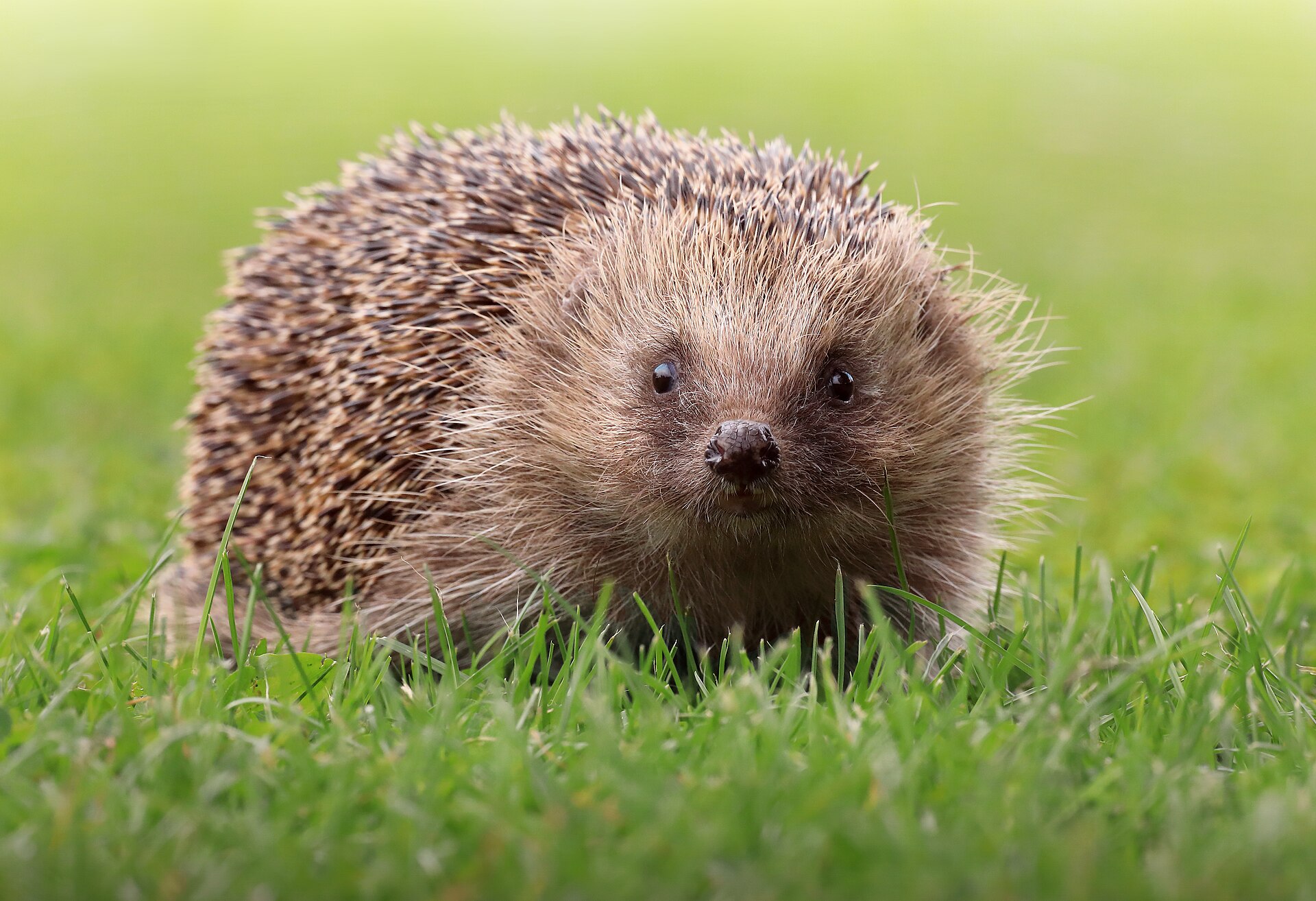
How to Attract Hedgehogs to Your UK Garden
Key Takeaways
- A hedgehog eats up to 100g of slugs, snails and insects every night - they are the original chemical-free pest control
- Put a predator-proof house in a quiet, shaded corner and cover it with leaves once autumn arrives
- Feed meaty hedgehog food or wet cat food, never bread or milk - milk gives hedgehogs diarrhoea and can kill them
- Leave a 13cm gap in your fence or dig a small tunnel so hedgehogs can roam between gardens
- Skip the slug pellets - metaldehyde and other chemicals poison hedgehogs that eat the poisoned slugs
Suggested reading: How to Deal With Slugs & Snails · Natural Pest Control Methods
If you want a garden that looks after itself, you want hedgehogs in it. These spiky night visitors are one of the most effective pest controls a UK garden can have, and they do the job for free. They eat slugs, snails, caterpillars, beetles and earwigs - all the creatures that chew your hostas, shred your lettuce and bore into your potatoes.
The trouble is hedgehogs are struggling. The British population has fallen from around 30 million in the 1950s to under one million today, according to the People's Trust for Endangered Species. Gardens are now their main refuge, so what you do in your own patch genuinely matters. Attracting them takes very little - a house, food, water and a way in is the whole list.
Why Hedgehogs Are the Best Natural Pest Control
One hedgehog patrols around 100 to 200 square metres of garden each night and can get through 100g of invertebrates - a large part of it slugs. No mixing, no spraying, no gloves, no worrying about pets touching treated plants. Most slug pellets and pesticides also kill the beetles, centipedes and other predators doing the same job, which is why infestations often bounce back worse after treatment.
We cover the trade-off in our organic vs chemical pest control comparison, but the short version is that a hedgehog beats both. If slugs are your main problem, read our complete slug and snail guide first, then bring in a hedgehog to do the night shift.
Give Them a House
Hedgehogs sleep during the day and need somewhere dry, hidden and quiet. A purpose-built house is the fastest way to make your garden attractive, and it doubles as a safe nesting site when hoglets are born in late summer. We compared seven of the best hedgehog houses UK gardens can buy, so you can pick one that survives the weather. Place it in a quiet corner against a wall, fence or hedge, with the entrance facing away from the prevailing wind and not directly south into the sun.
Pile leaves over the top in autumn and leave it alone once you spot signs of use - hedgehogs prefer old nesting material over a spotless box.
If your garden is fully enclosed with solid fencing, a house near a gap in the boundary works best - hedgehogs will not use a house they cannot easily reach from their roaming route.
Feed Them the Right Things
Hedgehogs are not fussy, but they have specific needs. The golden rules: meaty cat or dog food, or specialist hedgehog food, plus fresh water. Never give bread or milk - milk causes severe diarrhoea and can be fatal, and bread fills them up with no nutrition. That old saucer-of-milk myth has killed more hedgehogs than it has helped.
Specialist food is the easiest option because it is balanced for their needs. Extra Select Nature Hedgehog Pellets are nutrient-rich dry pellets that store well and work for year-round feeding. For hoglets, older hedgehogs or cold snaps, a softer option like Jacobi Jayne semi-moist hedgehog food is easier to eat and digests quickly.
Feed around dusk when hedgehogs wake up, with enough for a night or two. If food sits uneaten for days, cut back - overfeeding encourages rats. During a dry UK summer, fresh water is often scarcer than food, so leave a shallow, heavy bowl out every night and check it daily.
The 3-piece hedgehog bowl set includes 14cm dishes sized for hedgehogs, with separate bowls for food and water. Keep it in the same spot so regular visitors learn where it is, and rinse it daily - standing water breeds bacteria.
Open Up Your Boundaries - Hedgehog Highways
Hedgehogs roam up to 2km a night looking for food, mates and nesting sites. A solid fence cuts that territory off and traps hedgehogs in small gardens where food runs out fast. The fix is simple: cut a 13cm by 13cm hole in the bottom of your fence, dig a shallow tunnel under it, or install a hedgehog gate. That gap is too small for most dogs and cats but perfect for a hedgehog.
This is the single most effective thing a neighbourhood can do. When several gardens link up, hedgehogs get a safe corridor between food sources, and their territory grows from one lawn to a whole street. Our wildlife-friendly garden guide has more ideas for making your whole plot work for visiting animals.
Nesting Material for Late Summer and Autumn
Hedgehogs build nests from dry leaves, grass and hay, twice a year - once in late summer when hoglets are born, and again before hibernation. A pile of leaves in a quiet corner is genuinely useful, and you can help by putting dry nesting material near the house.
If you find a hoglet out during the day in August or September, it is usually a sign of trouble - either the mother has died or the nest was disturbed. A wobbly hedgehog out in daylight needs help, so contact a local rescue or the British Hedgehog Preservation Society before trying to raise it yourself.
What to Avoid in a Hedgehog-Friendly Garden
Making your garden attractive is only half the job - the other half is removing the hazards that kill hedgehogs. The biggest is slug pellets: metaldehyde and other molluscicides poison slugs, and the toxin builds up in any hedgehog that eats them. This is exactly why our natural pest control guide argues against chemical sprays even before you factor in the hedgehogs.
Other dangers are easy to miss:
- Strimmers and mowers: check long grass, compost heaps and log piles before cutting - hedgehogs curl up and freeze rather than run.
- Netting: keep fruit and pea netting taut and off the ground, or roll it up after harvest. Loose netting traps hedgehogs trying to reach the fruit underneath.
- Ponds: hedgehogs can swim but cannot climb out of steep-sided ponds. Add a shallow ramp or stones at one edge.
- Bonfires: build them on the day you light them - hedgehogs love nesting in stacked wood.
One tidy-garden habit worth breaking: leaf-blowing every border bare removes the exact habitat hedgehogs and ground beetles need. Leave a scruffy corner with leaves and logs, and your pest control improves on its own.
Frequently Asked Questions
The Bottom Line
Attracting hedgehogs is the cheapest, most effective pest control upgrade your garden can get. One house, one feeding spot, a bowl of water and a 13cm gap in the fence, and you have a night shift worker clearing slugs and snails for the whole season. In return you get fewer damaged plants, no chemical residues, and the genuine pleasure of watching a hedgehog snuffle across your lawn at dusk.
Start with the basics this week: put out a shallow bowl of water every evening, leave a quiet corner untidy, and cut a hedgehog-sized gap in your fence. The rest follows naturally, and by autumn you should have a regular visitor - plus a healthy, balanced garden that needs far less intervention. For the full picture on keeping your garden thriving without chemicals, work through our natural pest control methods and wildlife-friendly garden guides.

Alex Green writes about vegetable growing, plant care and small-space gardening for MyLushGarden.
As an Amazon Associate we earn from qualifying purchases.
Last reviewed: August 7, 2026 · Evidence-based content · Contains affiliate links