🌱 Lawn Care Comparison
Cordless vs Corded Strimmer: Which to Buy
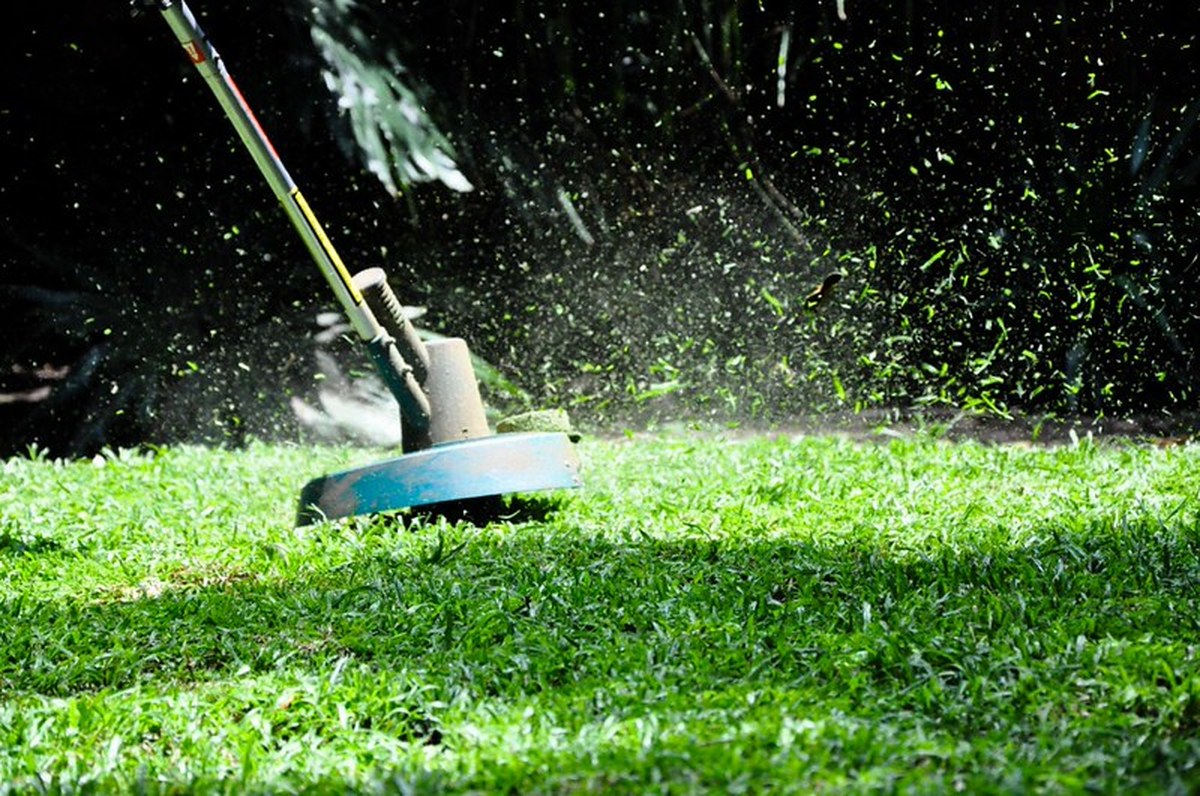
The cordless versus corded strimmer question is really a question about your garden, not the machines. A cordless strimmer gives you freedom to walk anywhere and edge paths without a cable, but it runs on a battery that eventually dies. A corded strimmer never runs out of power and costs less, but the cable limits where you can go.
Most UK gardens have a clear answer, and it is not the same answer for everyone. Here is how to pick the right one for your lawn.
Key Takeaways
- Choose cordless for freedom and edging - the Worx WG163E.3 trims and edges with two batteries in the box
- Choose corded for unlimited run time and the lowest price - the Bosch AFS 23-37 never stops for a charge
- Battery ecosystem matters - the Ryobi ONE+ OLT1832 shares batteries with your other tools
- Power gap is real - 950W corded beats an 18V battery on thick, wet growth
- Decision rule: under 300m² of grass, go cordless; bigger or rougher, go corded
Suggested Reading: Best Cordless Strimmers UK - 8 Picks Compared
🏆 Quick Picks
Worx WG163E.3
Bosch AFS 23-37
Einhell 18V PXC
Ryobi ONE+ OLT1832
Quick Comparison
| Factor | Cordless | Corded |
|---|---|---|
| Run time | 20-40 min per battery | Unlimited |
| Power | 18V-40V, tapers as battery drains | 500W-950W continuous |
| Range | Anywhere you can walk | Extension lead reach |
| Weight | 2-3kg plus battery | 3-4kg, no battery weight |
| Price | Higher upfront, batteries extra | Lowest upfront cost |
| Best for | Small-medium lawns, edging, awkward corners | Large lawns, thick growth, budget buyers |
Cordless vs Corded - The Full Breakdown
What each one actually is
A cordless strimmer runs on a rechargeable battery, usually 18V, 20V or 40V, and that is its whole identity. No cable, no socket, no lead to trip over, but a battery pack you need to keep charged and a run time measured in minutes. The Worx WG163E.3 is the classic example - an 18V machine that trims and edges and ships with two 2.0Ah batteries so you can swap mid-job.
A corded strimmer plugs into the mains through an extension lead. It never runs out of power because it draws electricity continuously, which also means the motor can be bigger and cheaper at the same time. The Bosch AFS 23-37 delivers 950W, which is more sustained power than most cordless machines produce at their peak.
The power gap is real, but narrower than it sounds
On paper the corded machine wins. 950W of continuous mains power beats an 18V battery that tapers off as it drains, and you feel that difference in one specific situation: thick, wet, overgrown grass. A corded strimmer keeps cutting through stuff that makes an 18V line stall, and the Bosch AFS 23-37 brush cutter version even takes a blade for brambles and bracken.
But for routine weekly strimming of a normal lawn, the gap mostly disappears. The line cuts the same grass either way, and an 18V machine like the Bosch EasyGrassCut 18V-230 handles a standard cut without complaint. If you only strim edges and borders, power is not the deciding factor.
Run time decides the cordless case
This is where cordless strimmers live or die. A 2.0Ah 18V battery gives 20 to 40 minutes of trimming, and a typical UK lawn takes 15 to 25 minutes per cut, so one battery is usually enough. Two batteries, which the Worx WG163E.3 includes, turn that into an hour of continuous work with a quick swap.
Bigger packs stretch it further. The Greenworks 40V strimmer runs on a 40V system that roughly doubles the work per charge, and a 36V machine like the Einhell 36V PXC brush cutter brings serious sustained output. If your garden takes longer than 40 minutes to strim, either buy a second battery or question whether cordless is right for you at all.
The cable is the corded problem
The corded strimmer's weakness is not power, it is reach. You need an outdoor socket and an extension lead, and every corner of the garden has to be within reach of that lead. Leads tangle around plants, get snagged on beds, and you spend half the job untangling rather than trimming. On a small or medium lawn with a socket on the house wall, that is a minor annoyance. On a long narrow garden it can be the whole game.
There is also the safety angle. Cutting through an extension lead with a spinning line is a real risk, especially edging near paths and driveways. Cordless machines remove that risk completely, which is a quiet argument for them that never shows up in the spec sheet.
Weight and handling
Cordless machines are lighter in the hand because the motor is smaller, but the battery adds weight at the back. A 2-in-1 like the Flymo EasiTrim 250 balances the battery low so it does not feel heavy, and it rotates the head for edging. Corded machines carry the motor in the head, which makes them slightly front-heavy, and the trailing cable adds drag even when it is not snagged.
For most people the difference is a few hundred grams either way, and neither will exhaust you on a 20-minute job. Handle both in a shop if you can, because the balance matters more than the number on the box.
Price: corded wins on paper, cordless wins on value
Here is the honest cost picture. A corded strimmer like the Bosch AFS 23-37 costs less than any cordless kit, full stop. No battery, no charger, no premium for lithium cells. If you want the cheapest possible way to keep the edges tidy, corded is the answer and it is not close.
But cordless value compounds if you are already in a battery system. If you own Ryobi ONE+, the Ryobi OLT1832 body-only costs a fraction of a full kit because it runs on batteries you already own. The same logic applies to the Einhell 18V PXC in the Einhell ecosystem. Seen that way, a cordless strimmer is one of the cheapest additions to a tool collection you already have.
Which one fits your garden
Small and medium lawns, paths, beds and borders, and any garden with awkward corners: cordless, and specifically a 2-in-1 so you edge without a second tool. The Worx WG163E.3 covers this case better than anything else at the price, and its two batteries mean the run time objection mostly disappears.
Large lawns, verges, allotments, or anywhere you fight thick wet growth: corded. The Bosch AFS 23-37 will cut all day for the price of a mid-range cordless kit, and the blade version tackles brambles a line simply will not. If your garden sits between the two, buy the cordless 2-in-1 and a spare battery - that is the combination most UK gardeners end up happiest with.
Frequently Asked Questions
Final Verdict
Choose cordless if your garden is under 300 square metres of grass, if you edge paths and beds, or if you already own batteries that fit a strimmer. The Worx WG163E.3 is the best all-round answer because it trims, edges and ships with two batteries, and the Ryobi OLT1832 is the smart pick if you already own ONE+ tools.
Choose corded if your garden is bigger, rougher or wetter, or if price is the main factor. The Bosch AFS 23-37 cuts all day for less money than a cordless kit, and the blade version is the one for brambles and rough ground. You sacrifice the freedom to roam, but you never stop to charge.
For the full rundown of the best battery models, read our best cordless strimmers guide, and if you are still deciding between a strimmer and hand tools, our edging shears vs cordless strimmer comparison covers that trade-off too.