Best Small Trees for UK Gardens
- The best small trees for UK gardens are Acer palmatum Dissectum (patios), Amelanchier lamarckii (wildlife), and Malus 'Evereste' (pollinators + fruit).
- Most small trees thrive in containers if given a 40cm+ pot with decent compost, making them perfect for patios and courtyards.
- Bare-root trees planted in autumn (November-March) establish faster and cost less than container-grown specimens.
- Choose trees with multi-season interest: spring blossom, summer foliage, autumn colour, and winter structure to get year-round value from a single plant.
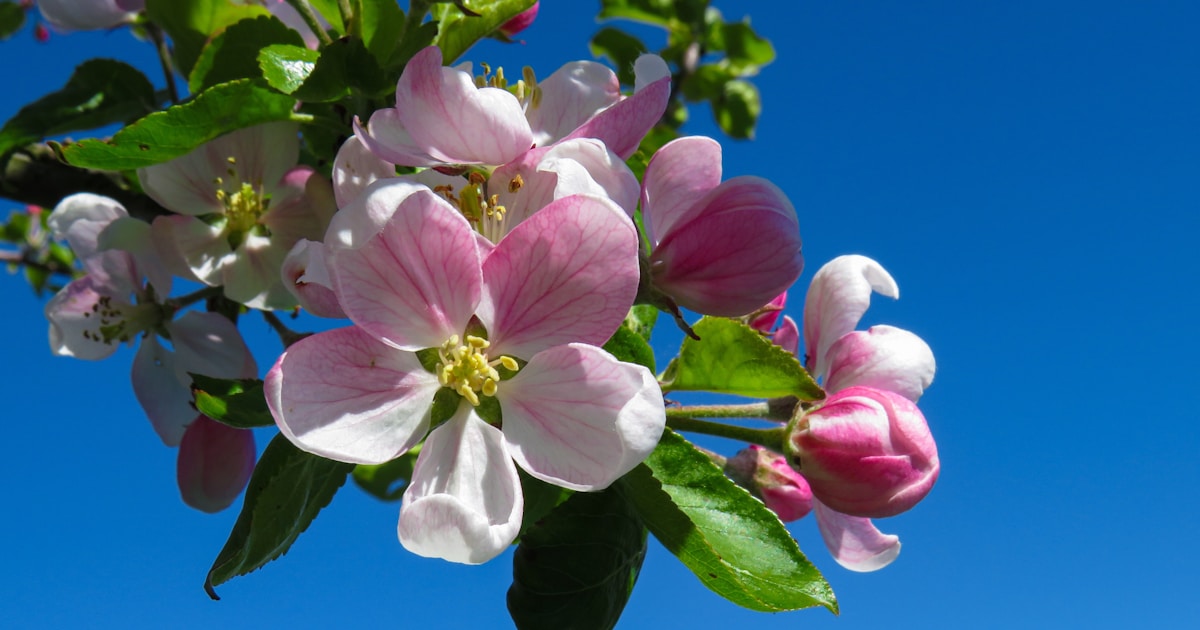
Not every garden has space for an oak or a chestnut, but almost every garden can fit a small tree. The right compact tree gives you a focal point, seasonal colour, and wildlife value without swallowing your entire border. We compared the top options available to UK gardeners, looking at mature size, container performance, seasonal interest, and how much work they actually need.
These five trees consistently perform in UK conditions, from Scottish borders to Cornish courtyards. They're all genuinely compact, none will outgrow a small garden in a decade, and each brings something different to the party.
1. Acer palmatum 'Dissectum' - The Patio Showstopper
If you only have room for one small tree, make it a Japanese laceleaf maple. The Dissectum form grows in a graceful, mound-shaped habit to just 1.5-2m tall and wide, with deeply dissected leaves that look like they've been cut with pinking shears. In spring and summer the foliage is a fresh lime green; by October it's a blazing mix of orange, gold, and crimson.
What makes Dissectum stand out from other acers is its natural shape. It doesn't grow upright and need pruning to stay small. It naturally forms a low, spreading dome that looks like it's been professionally trained. Give it a large pot (40cm minimum), a sheltered spot away from strong winds, and it'll reward you for decades.
Where it thrives: Sheltered patio, courtyard, woodland border. Needs protection from strong winds and hot afternoon sun, which scorches the delicate leaves. Morning sun with afternoon shade is ideal. Prefers slightly acidic, well-drained soil. In containers, use ericaceous compost mixed with bark chips for drainage.
What to watch for: Hot, dry winds are the enemy. If your garden is exposed, grow it in a pot and move it under cover during heatwaves. Avoid planting in the full blaze of a south-facing wall. Leaf scorch in August is the most common complaint, but it's cosmetic and the tree recovers fine each spring.
2. Acer palmatum Atropurpureum - Year-Round Purple Foliage
Where Dissectum gives you spring-to-autumn drama, the Atropurpureum delivers colour all season long. Its deep purple-red foliage holds its intensity from April right through to leaf fall in November, making it one of the most reliable colour plants for UK gardens. It's slightly taller than Dissectum, reaching 3-4m over fifteen years, but it grows slowly enough that you'll have plenty of time to decide where it looks best.
Thompson & Morgan's specimen comes in a 3L pot, which is a good size to get established quickly. Plant it in autumn and by the following spring it'll be putting on noticeable new growth. The dark foliage contrasts brilliantly against green shrubs and light-coloured walls.
Where it thrives: Sun or partial shade in moist, well-drained soil. Unlike Dissectum, Atropurpureum is reasonably tolerant of open positions as long as the soil doesn't dry out completely. It grows well in large containers (50cm+ pot) and responds well to light pruning in late winter if you need to control its shape.
What to watch for: The purple colour is best in full sun. In deep shade, the leaves fade to a muddy green-brown that loses its impact. If your garden is heavily shaded, the Dissectum (which keeps its green) or the Amelanchier below are better choices. Also watch for aphids on new spring growth - a quick spray of soapy water sorts them out.
3. Amelanchier lamarckii - The Four-Season Performer
If you want maximum seasonal interest from a single tree, Amelanchier lamarckii is hard to beat. In April it's covered in clouds of white blossom. By May the young leaves emerge in a bronze-copper tone that deepens to green through summer. In June it produces small, dark blue berries that taste like a cross between a blueberry and an almond. By October the whole canopy turns blazing orange and red before dropping.
Amelanchier reaches 4-6m at maturity, making it the tallest tree on this list. But it grows upright and narrow, so it takes up less ground space than you'd expect. In a small garden, it works brilliantly as a feature tree in a border or as part of a wildlife-friendly bird-attracting planting scheme. The berries are a magnet for blackbirds, thrushes, and waxwings.
Where it thrives: Sun or dappled shade in any reasonable soil. It's native to Europe and extremely adaptable - heavy clay, sandy loam, chalk, it handles them all. Bare-root specimens (available November-March) establish faster and cost significantly less than container-grown plants.
What to watch for: The berries are edible but small and fiddly to harvest. They're much more valuable left for the birds. If you're after actual fruit, the crab apple below is more practical. Amelanchier can also sucker if planted in light soil - pull out unwanted shoots promptly to keep it to a single trunk.
4. Malus 'Evereste' - The Pollinator Powerhouse
A crab apple tree is the single best investment you can make for a wildlife-friendly garden. Malus 'Evereste' produces masses of white-pink blossom in April and May that feeds bees and hoverflies when little else is flowering. The small, orange-red ornamental fruit hangs on through winter, providing food for birds when pickings are slim. And if you grow cooking apples nearby, the crab apple is an excellent pollinator for varieties like Bramley's Seedling.
'Evereste' is self-fertile, so it doesn't need a partner. It grows to 4-5m with a naturally upright, conical shape that fits into narrow borders. The fruit is too sour to eat raw but makes excellent jelly - combine it with windfall cooking apples for a classic autumn preserve.
Where it thrives: Full sun in any well-drained soil. Extremely tough and disease-resistant - it's one of the most reliable ornamental trees for UK gardens. Tolerates urban pollution, exposed sites, and clay soil. Plant in autumn for best results.
What to watch for: The fruit can be messy on paving - if you're planting near a patio, sweep up fallen crab apples regularly in autumn. Fire blight is rare in the UK but worth knowing about. Avoid planting near pear trees, as they share the same disease susceptibility. If you want fruit you can actually eat, consider a dwarf fruit tree instead.
5. Photinia 'Little Red Robin' - Evergreen Structure Year-Round
Every small garden needs at least one evergreen, and the Photinia 'Little Red Robin' delivers it in style. This compact standard tree grows to just 1.5-2m with a lollipop shape - a clean straight stem topped with a rounded head of glossy foliage. The new leaves emerge a vivid red in spring, gradually maturing to deep green, giving you colour contrast that changes through the seasons without losing its structure in winter.
Unlike the deciduous trees on this list, Photinia keeps its leaves all year. That makes it invaluable for screening, defining boundaries, and adding structure when everything else is bare. Plant one on either side of a path or doorway for an instant formal look that costs under £30.
Where it thrives: Sun or partial shade in any reasonable soil. Extremely hardy and tolerant of urban conditions, wind, and neglect. Grows happily in a 40cm container, though it'll need repotting every 2-3 years as it matures. Responds well to light pruning in late spring if you want to maintain the lollipop shape.
What to watch for: Photinia can get whitefly in sheltered, humid spots - good air circulation prevents this. The red leaf colour is most intense in full sun; in deep shade it stays mostly green. It's also toxic to cats and dogs if eaten, so keep that in mind if you have pets that nibble plants.
How to Choose the Right Small Tree
| Tree | Max Height | Container? | Evergreen? | Best Season |
|---|---|---|---|---|
| Acer Dissectum | 1.5-2m | ✅ Ideal | No | Autumn |
| Acer Atropurpureum | 3-4m | ✅ Yes (50cm+) | No | All season |
| Amelanchier | 4-6m | ⚠️ Large pots only | No | Spring + Autumn |
| Malus 'Evereste' | 4-5m | ⚠️ Large pots only | No | Spring blossom |
| Photinia Little Red Robin | 1.5-2m | ✅ Ideal | Yes | Year-round |
Planting Tips for Small Trees in the UK
Bare-root season (November-March) is the cheapest and most reliable way to plant trees. Bare-root specimens cost 30-50% less than container-grown plants, establish faster because the roots aren't circling a pot, and you can see the root structure before planting. Soak the roots in water for 30 minutes before planting, then dig a hole twice the width of the root spread and no deeper than the root ball.
Container growing works brilliantly for the acers and Photinia on this list. Use a pot at least 40cm in diameter with drainage holes. A mix of multipurpose compost, ericaceous compost (for acers), and perlite gives good drainage without drying out too fast. Mulch the surface with bark chips to retain moisture and keep roots cool in summer.
Feeding: A handful of slow-release fertiliser in spring is all most small trees need. Avoid high-nitrogen feeds on acers - they push soft growth that scorches easily. For fruit trees and crab apples, a balanced feed in March supports blossom and fruit development.
Pruning: Most small trees on this list need minimal pruning. Acers are best pruned in late summer or early winter when sap isn't running (spring pruning causes "bleeding"). Photinia can be trimmed in late spring after the first flush of red growth. Crab apples need occasional thinning of crossing branches in winter to keep an open shape.
For more detailed pruning advice, our guide on cleaning and maintaining garden tools covers the secateurs and loppers you'll need for small tree work.
Common Mistakes to Avoid
The biggest mistake is planting a tree that's too big for the space. A 60cm whip from a garden centre can become a 15m monster in twenty years. Check the mature height before buying - the trees on this list all stay under 6m, which is the right scale for small UK gardens.
The second mistake is planting too close to fences and walls. Leave at least 1.5m between the trunk and any structure to give the canopy room to develop. Roots can damage foundations if planted too close to buildings - keep trees at least 3m from house walls.
The third mistake is ignoring soil. Acers hate chalky, alkaline soil. Crab apples struggle in waterlogged ground. Photinia is the most tolerant, but even it prefers reasonable drainage. Get a simple soil test before buying to match the tree to your conditions.
For more garden maintenance tips, check our lawn aeration guide - keeping your lawn healthy alongside your new tree makes the whole garden look better.
FAQ
What is the best small tree for a UK patio?
The Acer palmatum 'Dissectum' is the best small tree for a UK patio. It grows slowly to just 1.5-2m, stays compact without pruning, and delivers stunning lime-green foliage that turns fiery orange-red in autumn. It thrives in pots and sheltered spots, making it ideal for courtyards and small patios.
Can you grow fruit trees in small UK gardens?
Yes. Dwarf fruit trees and ornamental crab apples like Malus 'Evereste' produce edible fruit in small spaces. Crab apples are especially useful because they attract pollinators for other fruit trees and produce ornamental fruit that birds eat through winter. Dwarf patio fruit trees grow happily in 40cm containers.
When is the best time to plant small trees in the UK?
The best time to plant bare-root trees is from November to March, when the tree is dormant. Container-grown trees can be planted year-round, though autumn (September-November) gives roots time to establish before summer heat.
How tall do Japanese maples grow in UK gardens?
Japanese maples (Acer palmatum) typically grow to 2-4m in UK gardens over 10-20 years. The Dissectum form stays smaller at 1.5-2m with a mound-shaped habit, while Atropurpureum can reach 3-4m. Both grow slowly and rarely need pruning.
What small trees attract wildlife in UK gardens?
Amelanchier lamarckii and Malus 'Evereste' are the top wildlife trees for small UK gardens. Amelanchier produces berries that blackbirds and thrushes love, while crab apple blossom feeds bees in spring and the fruit feeds birds through winter.
Alex Green
Alex writes about vegetable growing, plant care and small-space gardening for MyLushGarden. He has maintained allotments in Yorkshire for over 10 years and tests growing methods in real UK soil conditions.
As an Amazon Associate we earn from qualifying purchases.
Last reviewed: August 26, 2026 · Evidence-based content · Contains affiliate links