Anvil vs Bypass Secateurs: Which Is Best for UK Gardens?
- If you mainly cut live, green growth - roses, fruit bushes, perennials and soft shrubs - buy bypass secateurs. The scissor-like blades give the cleanest cut and help plants heal fast.
- If most of your work is cutting dead, dry or woody stems, anvil secateurs feel easier because the flat plate braces the branch while the blade crushes through it.
- A sharp bypass pair such as the Felco F-2 Classic handles almost every live-plant job in a UK garden; a budget anvil pair is a handy second tool, not a replacement.
- For hand comfort, bypass needs a touch more grip on thick wood, while anvil needs less force but can crush live stems - keep each type to the job it suits.
Suggested Reading: See our full Best Secateurs UK roundup for five compared models, or read our Bypass vs Anvil Loppers guide if you need the same decision with more reach.
If you are asking whether to buy anvil or bypass secateurs, here is the short answer: buy bypass secateurs if you prune live plants, and keep anvil secateurs for dead wood. Bypass blades pass each other like scissors and leave a clean, smooth wound that seals quickly. Anvil blades close down onto a flat plate, which gives extra force on hard, dead stems but crushes the base of a live stem and slows healing. For most UK gardeners a good bypass pair is the right first buy, and an anvil pair is a cheap, useful second tool for renovation work.
That sounds simple, but the two designs get confused all the time in garden centres and online listings, and the wrong choice shows up weeks later as ragged cuts, tired hands, or worse - dieback on a rose you meant to help. This guide explains exactly how each blade works, when each one earns its keep, and which models stand out based on manufacturer specifications and UK owner reviews.
Quick Comparison: Anvil vs Bypass Secateurs
| Feature | Bypass Secateurs | Anvil Secateurs |
|---|---|---|
| How they cut | Two curved blades pass each other like scissors | One straight blade closes onto a flat anvil plate |
| Cut on live wood | Excellent - clean slice, heals fast | Fair - crushes the stem base |
| Cut on dead wood | Good, but can struggle on very hard stems | Excellent - made for dry, hard material |
| Hand effort | Moderate - clean geometry does the work | Lower on dead wood - plate braces the branch |
| Branch size | Typically 18 to 25 mm | Typically 18 to 25 mm |
| Best for | Roses, fruit, soft shrubs, perennials | Dead wood, old stems, winter cut-back |
| Price (typical) | £10 to £60 | £8 to £35 |
What Is a Bypass Secateur and How Does It Work?
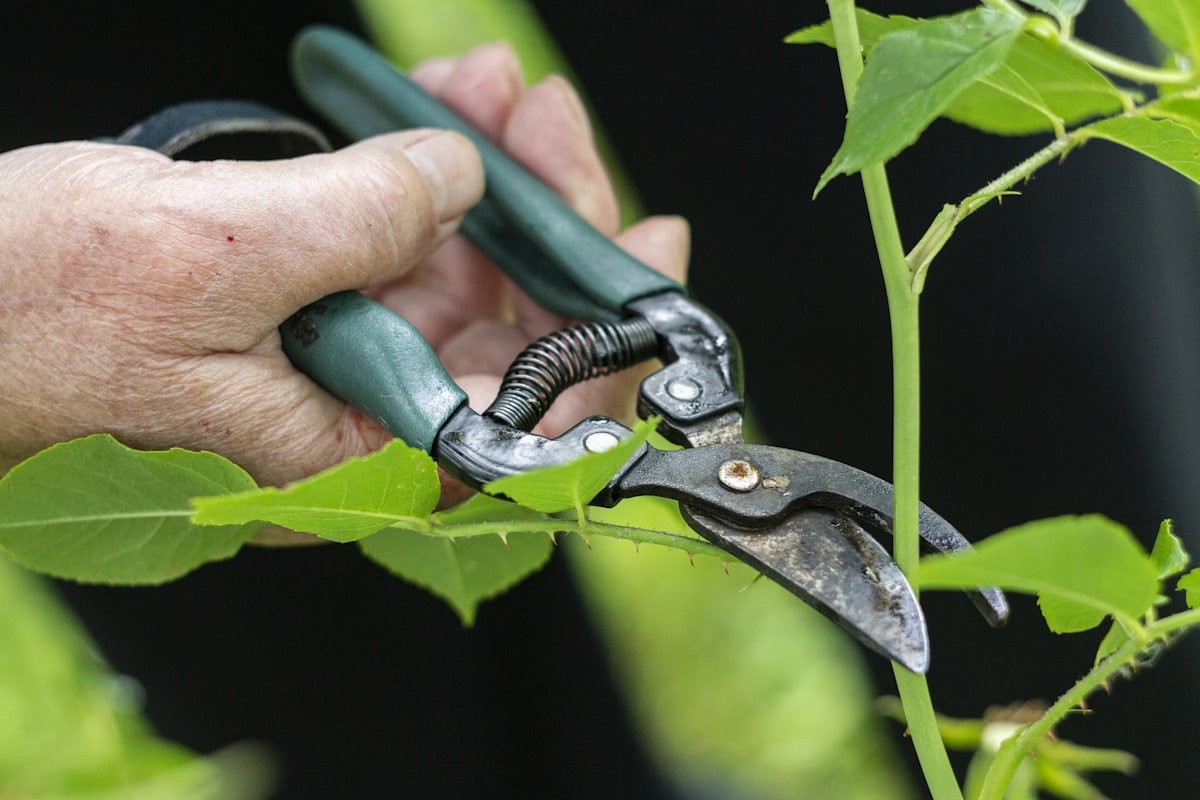
A bypass secateur works exactly like a pair of scissors. One sharp, curved blade slides past a thicker counter-blade, shearing the branch cleanly in a single motion. The upper blade does the cutting while the lower blade acts as a guide, and because the two edges pass each other rather than meeting head on, the cut is a smooth slice rather than a press.
That slicing action is why bypass secateurs are the default for anything alive. When you cut a rose stem, a raspberry cane, or a buddleia shoot, you are cutting living tissue that needs to seal over quickly. A clean, angled slice leaves a small, smooth wound that the plant can callus over within days. A crushed or torn cut stays open longer, and in a damp British climate that is how grey mould, canker and dieback get in. The Royal Horticultural Society recommends bypass blades for pruning live growth for this reason, and their RHS Endorsed Burgon & Ball Bypass Secateurs are tested in RHS gardens on that basis.
There are a couple of practical details that make a good bypass pair stand out. A sap groove - a shallow channel along the counter-blade - stops sticky stems from suctioning the blades together. Replaceable blades and springs, as on the Felco F-2 Classic, mean you can keep the same handles for decades and just swap the parts that wear. And blade steel matters: high-carbon steel holds an edge longer than soft stainless, so you sharpen less often and crush less even when the edge starts to dull.
The trade-off is that a bypass secateur asks a bit more of your hand on hard material. Because the branch is only held on one side, very dry or woody stems can twist or need a firm squeeze. With sharp blades and the right technique - cut at a slight angle, close to a bud - that extra effort is small on green wood, but you will feel it if you spend an afternoon cutting back old, hardened growth.
👍 Best bypass for most UK gardeners: Felco F-2 Classic Secateurs - Swiss-made, every part replaceable, sap groove and a 25 mm cutting capacity that covers almost every live-plant job. If you want a lighter, cheaper option for daily deadheading, the Spear & Jackson 1119BZ Razorsharp Bypass gives a PTFE-coated glide and solid ergonomics for under £9.
📖 Compare five models head to head in our Best Secateurs UK guide.
What Is an Anvil Secateur and How Does It Work?
An anvil secateur has a single straight blade that closes down onto a flat, wide plate - the anvil. Instead of slicing past the branch, the blade presses it against the plate and crushes through it. The branch is held firmly on both sides while the edge forces its way through, which is why anvil secateurs feel powerful on hard, dead stems even though they use a simpler mechanism.
That extra bracing is the whole point. When you cut a dead hydrangea stem in late winter, a dry raspberry cane, or the woody base of an overgrown shrub, you don't need a pretty wound - the stem is already finished growing and there is no live tissue to protect. You just want the cut done with as little hand strain as possible. The anvil gives you that by stopping the branch from flexing away from the blade, so all your grip goes into the cut instead of holding the stem steady.
On green growth the same crushing action becomes a drawback. The plate squeezes the lower part of the stem as the blade closes, which bruises the tissue around the cut. On a living rose or soft fruit bush that bruised collar is slower to seal and more likely to split, and because UK winters are wet, an open wound is an invitation to disease. You can still cut green wood with an anvil secateur - it will go through - but you will see a rougher stump and the plant will thank you less for it.
Anvil plates also wear differently. The soft brass or plastic anvil develops a groove where the blade lands, which is normal and actually helps centre the next cut, but once the groove gets deep the blade needs more force and the plate should be replaced or turned. On cheap pairs the anvil is not replaceable, so the tool gets steadily harder to use. Better models let you swap the anvil insert in seconds, which is worth checking before you buy.
👍 Best value anvil option: If you want an anvil pair as a second tool for dead wood, look for a model with a replaceable anvil plate and a comfortable, sprung handle. For live-plant work, keep your bypass pair sharp instead - our guide to cleaning and sharpening garden tools shows how a five-minute hone makes a bigger difference than a new tool. For heavier dead branches above secateur size, step up to bypass vs anvil loppers where the leverage matters more.
Head to Head: The 5 Differences That Actually Matter
Beyond the basic mechanism, five practical differences decide which type suits your garden. We have ordered them by how much they affect everyday use, not by what looks good on a product page.
1. Cut quality and plant health. This is the biggest gap and the one most gardeners notice first. Bypass leaves a clean, angled face that the plant can seal quickly. Anvil leaves a slightly crushed, flattened stump. On dead stems that does not matter at all. On live stems it matters a lot, because a crushed cut stays wet longer and can lead to dieback. If you only remember one rule, make it this one: live wood gets bypass.
2. Hand effort and comfort. On dead, dry material anvil needs less peak force because the plate supports the branch. On soft green growth a sharp bypass often feels easier, because the slicing geometry does more of the work than brute pressure. If you have arthritis, reduced grip, or you tire during long sessions, an anvil pair will save your hands on hard wood - but for mixed pruning, a well-fitted bypass with padded handles helps more. The Gardena Classic Bypass with its angled head and cushioned grip is designed for this, and it shows on a long afternoon of rose work.
3. Precision and control. Bypass secateurs let you place the blade exactly where you want it - tight against a bud, flush with a branch collar, or between crowded stems. The curved blades guide the cut and you can see the line. Anvil blades close straight down, which is less precise in tight spaces and can nudge nearby stems. For shaping, thinning and deadheading, that control is why professionals reach for bypass first.
4. Durability and upkeep. Bypass blades need regular sharpening to keep that clean slice, but the steel is usually harder and holds an edge longer. Anvil blades dull a bit faster because they strike a plate on every cut, and the plate itself wears into a groove. Both types benefit from a wipe with oil after wet use - British gardens are rarely dry - and both last far longer if you avoid cutting wire, soil or stone, which nicks any edge instantly.
5. Price and value. Anvil secateurs are typically cheaper for the same build quality, often £8 to £20 for a decent pair, because the mechanism is simpler. Bypass secateurs from good brands cost more - the Burgon & Ball RHS Endorsed at around £22 and the Felco F-2 Classic at a higher price - but they cover more jobs and last longer if you maintain them. For most gardeners the better value is one good bypass now and a cheap anvil later if you find you need it.
When to Use Bypass Secateurs
Use bypass secateurs for anything that is still growing. That includes roses - deadheading, shaping and cutting for the vase - fruit bushes such as currants, gooseberries and raspberries, soft shrubs like buddleia, lavender and fuchsia, perennials you cut back after flowering, and herbs where you want a neat stem rather than a crushed one. If you are pruning in spring or summer, reach for bypass without thinking twice.
A handy test is the snap test. If the stem bends before it breaks and the inside is green and moist, it's live growth and it wants a bypass cut. Close the blades slowly and let the curved edge do the work rather than forcing the handles - a sharp bypass will glide through with surprisingly little pressure, and you will hear a clean snap rather than a crunch.
We would also suggest bypass for anyone who only wants to buy one pair. A quality bypass secateur such as the Felco F-2 or the Burgon & Ball RHS Endorsed handles dead wood adequately for the occasional cut, even if it needs a bit more squeeze than an anvil on the hardest stems. The reverse is not true - an anvil pair used on live growth will give you a rougher result every time. If the budget only stretches to one tool, spend it on the one that covers both jobs with the cleaner result where it counts.
One more tip from our summer pruning guide: keep the blades clean between plants. Wiping with diluted disinfectant or at least a clean cloth reduces the chance of carrying fungal spores from a diseased stem to the next healthy one, and the smooth bypass cut gives infection fewer places to hide.
When to Use Anvil Secateurs
Use anvil secateurs when the stem is already dead, dry or heavily woody and you don't need a cosmetic cut. Classic UK examples are cutting back dead hydrangea and sedum stems in late winter, trimming out dead growth from overgrown hebes and lavatera, cutting dry raspberry and blackberry canes after fruiting, clearing old clematis stems, and shortening woody herb stalks such as rosemary and sage at the end of the season.
Try the same snap test in reverse. If the stem snaps dry and the inside is brown, pale or hollow, it's dead wood and anvil is the easier tool. Place the branch flat on the anvil plate, squeeze steadily and let the blade press through. You'll feel less hand strain than with a bypass on the same stem, because the plate stops the wood flexing away from the edge.
Anvil secateurs also suit gardeners who find hand tools tiring. If you have limited grip strength, arthritis, or you are clearing a big overgrown corner in one go, the braced cut takes less peak effort and you can work longer without aching. Just keep the anvil plate for dead wood only - switch back to your bypass pair as soon as you move onto anything green and growing. Labelling the handles with a bit of coloured tape is a simple way to grab the right one without thinking.
For branches thicker than about 25 mm, neither secateur type is ideal. That is lopper or saw territory, and the trade-offs are similar at that scale. Our bypass vs anvil loppers guide covers the same decision with long handles, where the leverage and capacity change the maths.
What Do the RHS and UK Experts Recommend?
The RHS consistently recommends bypass secateurs for pruning live plants. Their pruning advice emphasises a clean, sloping cut just above an outward-facing bud, which is exactly what a bypass blade delivers. The Burgon & Ball RHS Endorsed Bypass Secateurs appear in RHS garden tool lists because they have been compared in RHS gardens for that purpose - cutting roses, shrubs and fruit with a clean finish.
Anvil secateurs are suggested by the RHS mainly for cutting dead or woody stems that do not need a precise finish - for example, removing dead flower heads that have dried on the plant, or cutting back woody stems in winter. They are not presented as a substitute for bypass on live growth, but as a complement for the dead-wood jobs that come with every British winter.
That matches what we see in owner feedback. Gardeners who bought an anvil pair as their only secateur often report rougher cuts and slower healing on roses, while those who bought bypass first and added a cheap anvil later say the combination covers everything without compromise. If you already own an anvil pair and you prune a lot of live growth, the single best upgrade is a decent bypass, not a more expensive anvil.
Our Picks: The Secateurs We Would Actually Buy
We are not going to pretend there are dozens of stand-out models. For UK gardeners the short list is short, and these are the ones that keep coming up as worth the money.
Best bypass overall - Felco F-2 Classic Secateurs. Swiss-made, fully repairable, sap groove that actually works, and a 25 mm capacity that handles almost every live-plant cut in a domestic garden. Every part from blades to springs is replaceable, so a well-kept pair lasts decades. It costs more than budget options, but the cost per year is lower than replacing cheap pairs each season. This is the one we would buy if we could only own one secateur - which for most people, you can.
Best bypass for value and comfort - Spear & Jackson 1119BZ Razorsharp Bypass and Gardena Classic Bypass. The Spear & Jackson gives a smooth PTFE-coated cut and light, ergonomic handles for under £9, which makes it ideal for daily deadheading and light shrub work. The Gardena adds a more angled head and padded grip that reduces wrist strain if you prune for long stretches or have smaller hands - both are sensible ways to get bypass quality without the Felco price.
RHS-endorsed bypass - Burgon & Ball RHS Endorsed Secateurs. Drop-forged steel blades, non-slip grips that stay secure in wet weather, and a clean cut on stems up to about 18 mm. The RHS endorsement is earned in real garden use, not just marketing, and this pair sits in the sweet spot between budget and premium for ornamental gardeners who care about precision on roses and shrubs.
If you want a second pair for dead wood, any simple anvil secateur with a replaceable plate will do the job - you do not need to spend much. Save the budget for keeping your bypass blades sharp and clean. A sharp £20 bypass beats a dull £50 pair every time, and our essential hand tools guide runs through the rest of the kit that earns its keep alongside your secateurs.
Keeping Either Type Sharp - The Bit Most People Skip
Both anvil and bypass secateurs cut badly when dull, but dull bypass suffers more because it starts to crush instead of slice. A quick hone with a fine diamond file or whetstone, following the existing bevel on the blade, takes less than five minutes and makes the next session noticeably easier. Wipe the blades with an oily cloth after wet use - UK gardens are rarely dry - and oil the spring and pivot occasionally so the action stays smooth.
Sharpen little and often rather than waiting until the tool struggles. Two light strokes per side every few sessions beats a hard grind once a year, and it keeps the edge true without removing much steel. If you want a step-by-step, our how to clean and sharpen garden tools guide shows the angle and technique with photos.
Finally, do not cut soil, wire or stone. One nick from a hidden staple or a gritty stem base will blunt any blade faster than a season of normal pruning. Cut a little higher, brush soil off stems first, and keep a separate old pair for the rough jobs you know will punish the edge.
Frequently Asked Questions
Final Verdict
If you only buy one pair, make it bypass. For the pruning most UK gardeners actually do - roses, soft fruit, shrubs and perennials - the clean scissor cut keeps plants healthier, gives you more control, and handles the odd dead stem well enough that you will not miss an anvil.
Add an anvil pair if you regularly cut a lot of dead, dry or woody material, or if you want to save your hands on tough winter cut-back. Keep it as your second tool for dead wood and reach for the bypass whenever anything is green and growing. That two-tool approach costs little, covers every job, and matches what the RHS and experienced gardeners actually do in the plot.
Whichever you choose, spend what you can on a comfortable, well-made pair and keep it sharp. A sharp Spear & Jackson Razorsharp that you hone every few sessions will outperform a neglected premium pair every time, and it is the cheapest upgrade you can make to your daily gardening.
Products mentioned in this guide
- Felco F-2 Classic Secateurs - best bypass overall, fully repairable, 25 mm capacity
- Spear & Jackson 1119BZ Razorsharp Bypass Secateurs - best budget bypass for daily use
- Gardena Classic Bypass Secateurs - most comfortable for long sessions and smaller hands
- Burgon & Ball RHS Endorsed Secateurs - RHS-endorsed bypass for ornamental pruning

Sam Baker writes about garden tools and equipment for MyLushGarden, comparing products on specs, owner feedback and market research.
As an Amazon Associate we earn from qualifying purchases.
Last reviewed: August 21, 2026 · Evidence-based content · Contains affiliate links